Nullam dignissim, ante scelerisque the is euismod fermentum odio sem semper the is erat, a feugiat leo urna eget eros. Duis Aenean a imperdiet risus.
Nullam dignissim, ante scelerisque the is euismod fermentum odio sem semper the is erat, a feugiat leo urna eget eros. Duis Aenean a imperdiet risus.
 author
Hydraulic systems convert mechanical energy into hydraulic power. During operation, energy losses occur due to friction, pressure drops, internal leakage, and component inefficiencies. These losses are transformed into heat.
As operating temperatures rise, hydraulic oil begins to lose its optimal properties, affecting system performance and reliability.
Common causes of overheating include:
Without proper cooling, excessive heat can severely impact equipment performance.
Many equipment failures can be traced back to excessive oil temperature.
When hydraulic oil exceeds recommended operating temperatures:
Lower viscosity reduces lubrication effectiveness and increases wear on moving components.
High temperatures accelerate aging of seals and hoses, increasing the risk of leakage.
Pumps, motors, and valves become more vulnerable to damage due to insufficient lubrication.
Oil degrades faster, requiring more frequent replacement and increasing maintenance costs.
Higher temperatures reduce overall hydraulic efficiency and productivity.
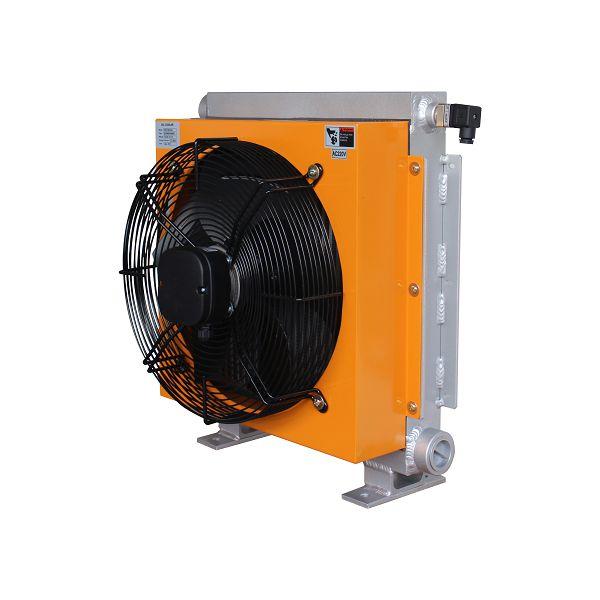
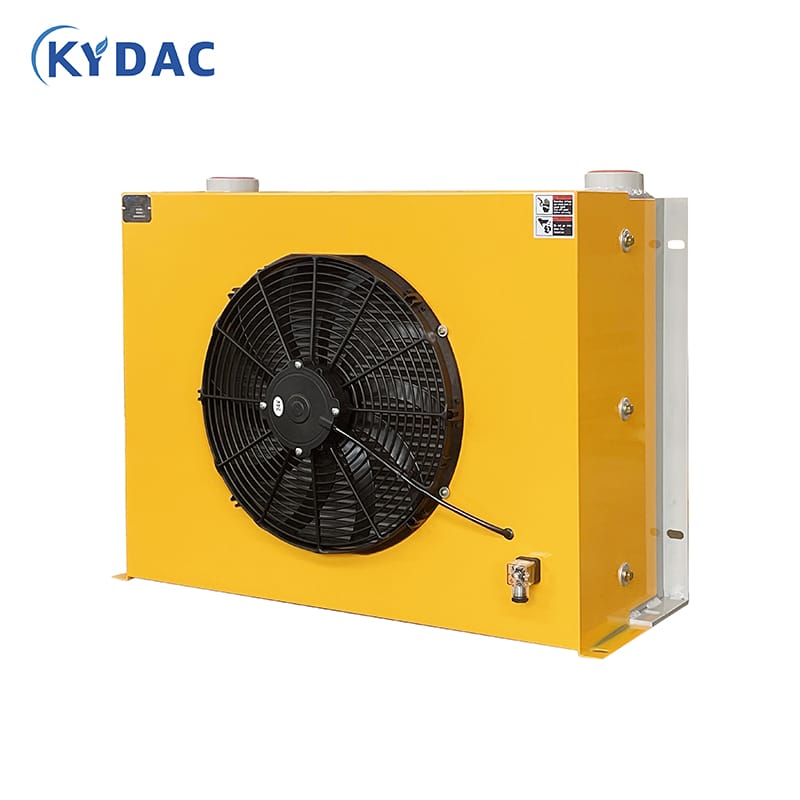
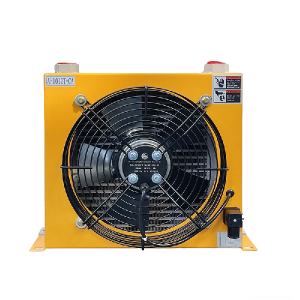
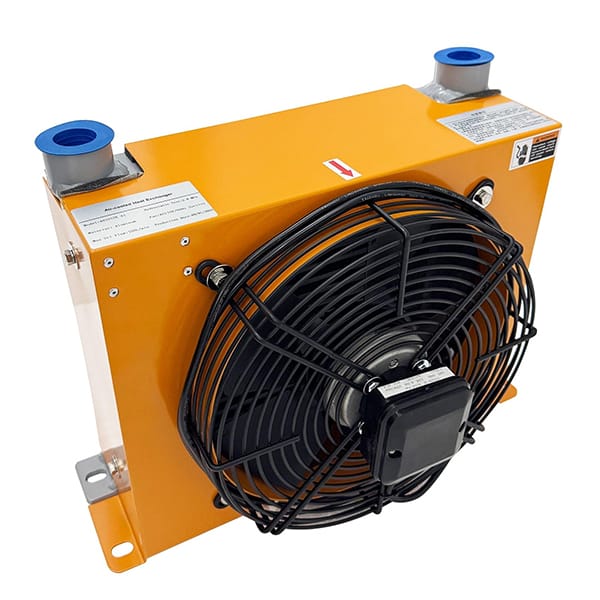
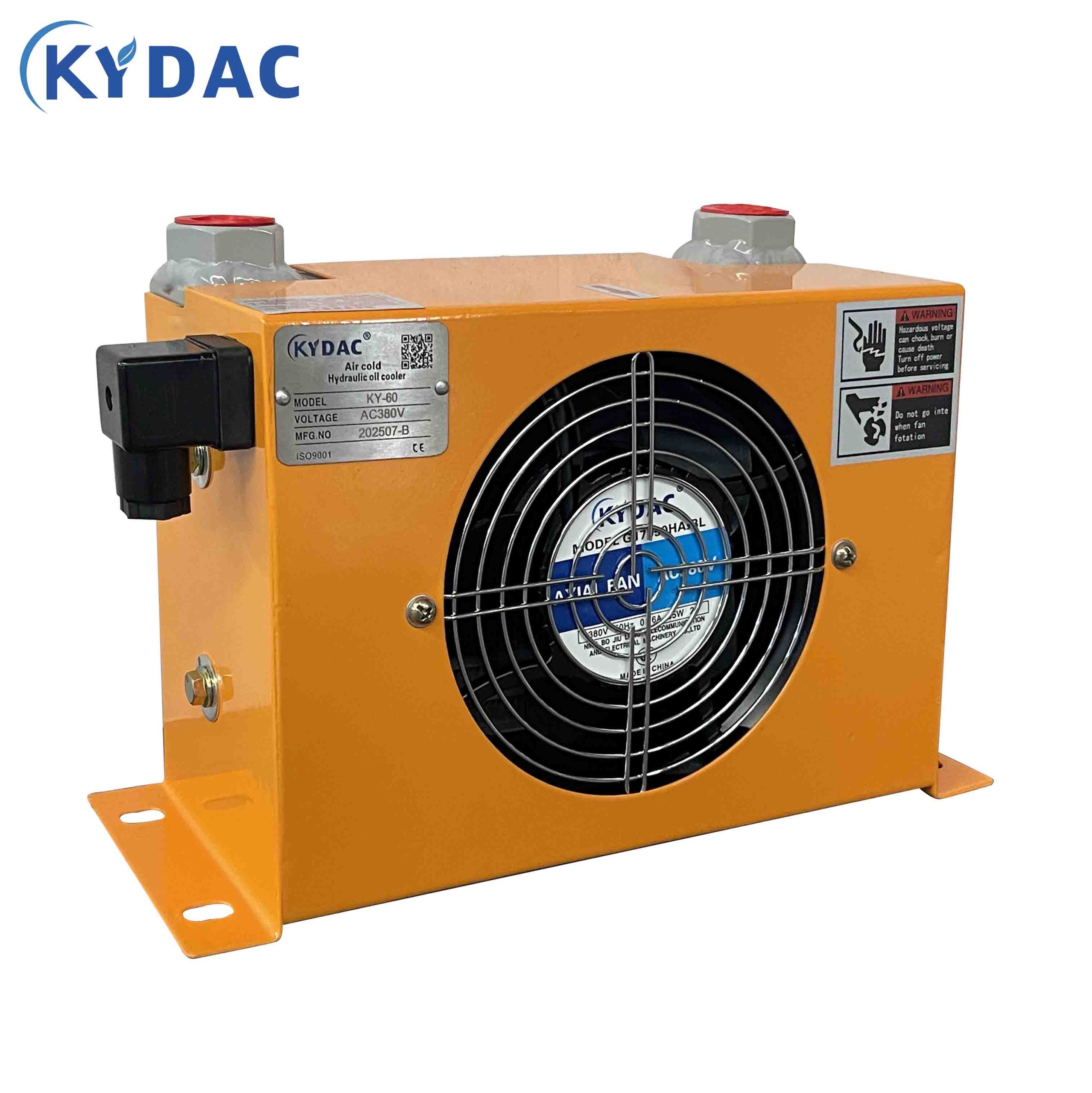
A Hydraulic Air Oil Cooler is a heat exchanger designed to remove excess heat from hydraulic oil using ambient air.
The system generally consists of:
As hot oil flows through the cooler core, airflow generated by the fan dissipates heat into the surrounding environment.
This process keeps hydraulic oil within the ideal operating temperature range.
Large cooling surfaces and optimized airflow design provide excellent heat transfer performance.
Unlike water-cooled systems, air oil coolers operate independently of cooling water sources.
This makes them ideal for:
Air cooling systems are simpler and easier to maintain compared to water cooling systems.
Integrated structures allow easy installation even in limited spaces.
Modern hydraulic air coolers are designed for continuous operation under harsh industrial conditions.
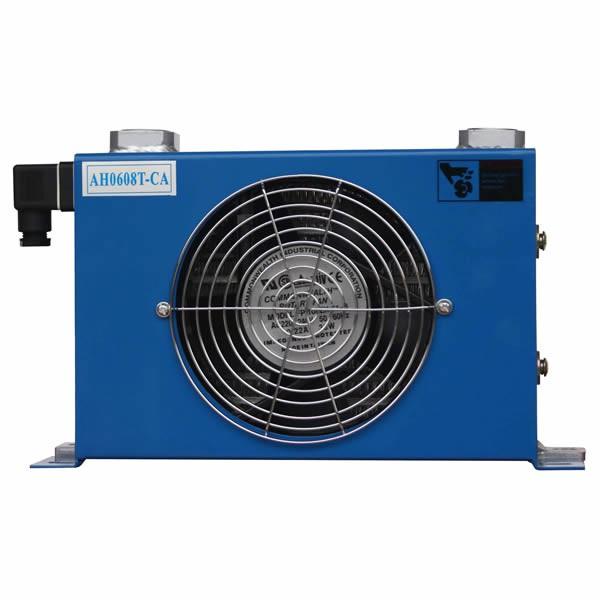
| Feature | Air Oil Cooler | Water Oil Cooler |
|---|---|---|
| Cooling Medium | Air | Water |
| Installation Complexity | Low | Medium |
| Maintenance Cost | Low | Medium |
| Water Source Required | No | Yes |
| Mobile Equipment Compatibility | Excellent | Limited |
| Risk of Oil-Water Mixing | None | Possible |
For most mobile and outdoor hydraulic applications, air oil coolers provide the most practical solution.
Hydraulic air oil coolers are widely used in:

Selecting the correct cooler requires evaluating several parameters:
Calculate the amount of heat generated by the hydraulic system.
The cooler must match the hydraulic circuit flow requirements.
Choose a cooler rated for the system’s maximum operating pressure.
Higher ambient temperatures require greater cooling capacity.
Ensure sufficient airflow and installation clearance around the cooler.
KYDAC hydraulic air oil coolers are designed to meet the demanding requirements of modern hydraulic systems.
Whether used in mobile machinery or industrial hydraulic systems, KYDAC air oil coolers help maintain optimal operating temperatures and improve overall equipment reliability.

Hydraulic overheating is one of the leading causes of system failure and reduced equipment life.
Installing a high-performance hydraulic air oil cooler can:
For industries seeking reliable and efficient hydraulic cooling solutions, hydraulic air oil coolers remain one of the most effective thermal management technologies available today.