Nullam dignissim, ante scelerisque the is euismod fermentum odio sem semper the is erat, a feugiat leo urna eget eros. Duis Aenean a imperdiet risus.
Nullam dignissim, ante scelerisque the is euismod fermentum odio sem semper the is erat, a feugiat leo urna eget eros. Duis Aenean a imperdiet risus.
 author
Hydraulic systems generate heat during operation. Pumps, motors, valves, actuators, and other hydraulic components continuously convert and transfer energy, while pressure losses and mechanical friction can increase oil temperature.
When hydraulic oil operates at excessive temperatures for extended periods, system efficiency and component reliability can be affected. A properly selected hydraulic air cooler provides an effective way to remove excess heat and maintain a more stable operating temperature.
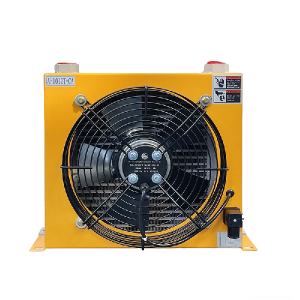
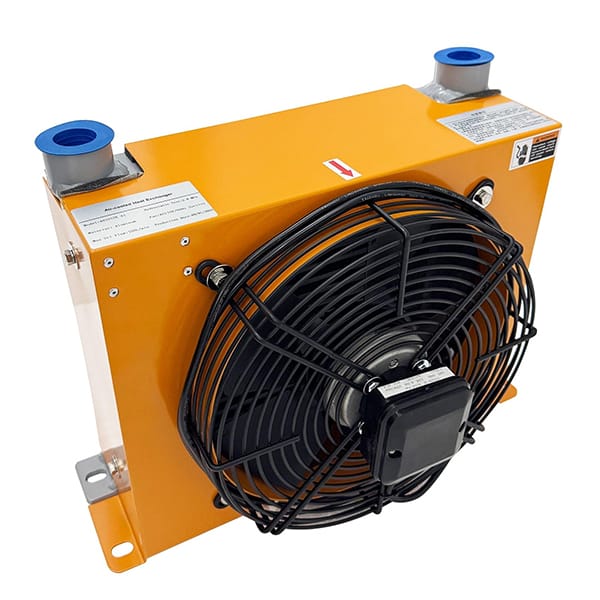
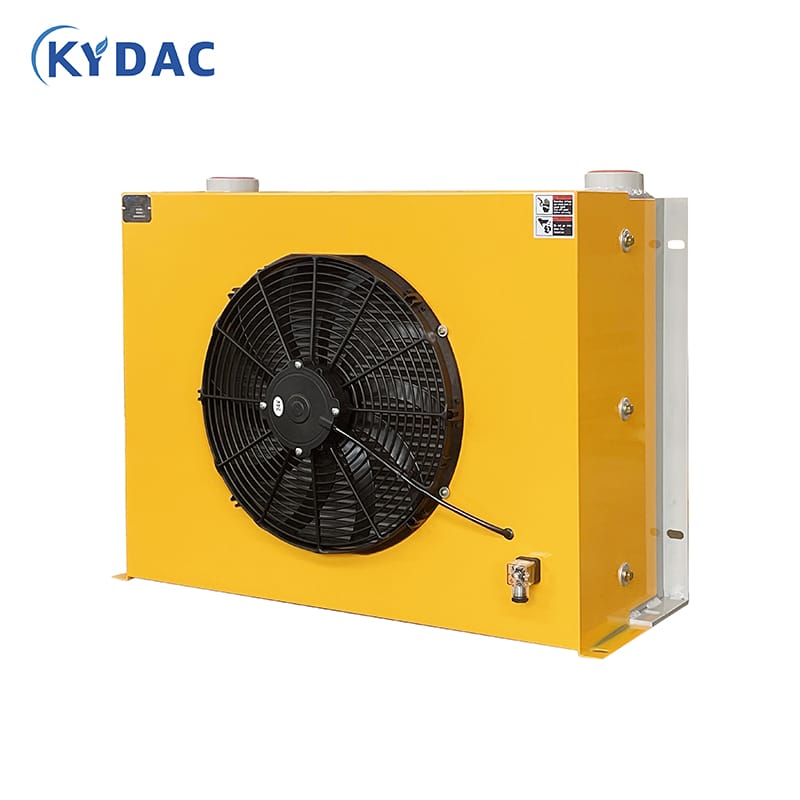
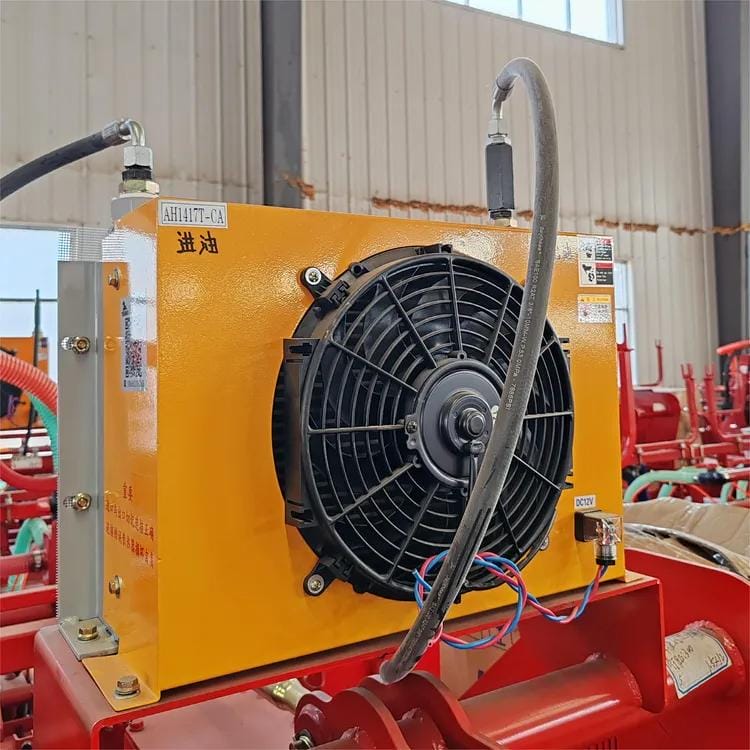
A hydraulic air cooler, also called an air cooled hydraulic oil cooler, uses ambient air to dissipate heat from hydraulic oil. It is widely used in construction machinery, agricultural equipment, industrial hydraulic systems, mobile machinery, and other applications where reliable oil temperature control is required.
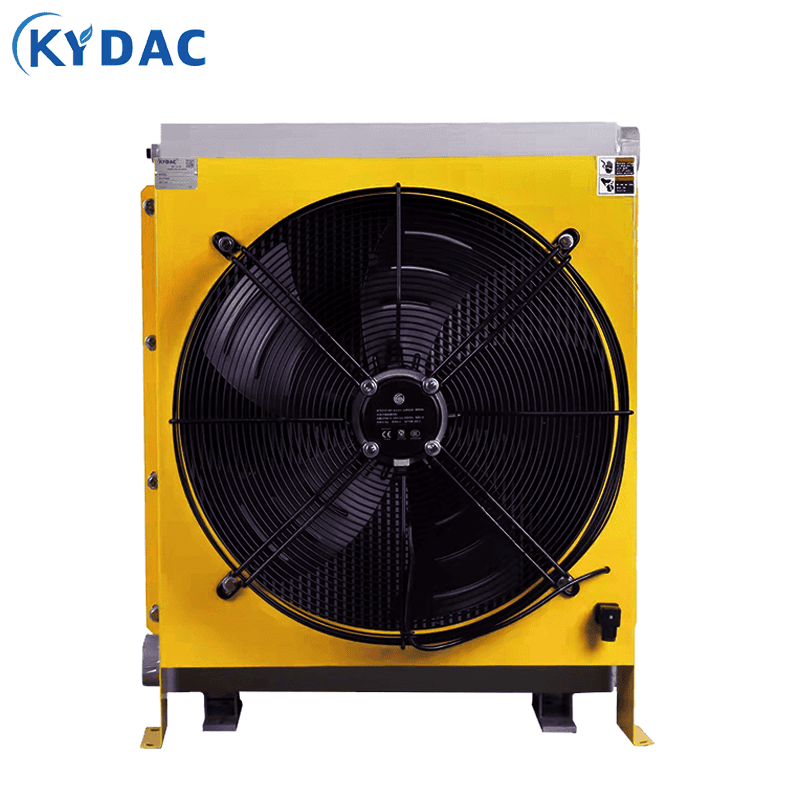
A hydraulic air cooler is a heat exchanger designed to transfer heat from hydraulic oil to surrounding air.
During operation, hot hydraulic oil flows through the cooler’s heat exchange core. At the same time, a fan moves ambient air through the cooling surface. Heat is transferred from the hydraulic oil to the surrounding air, and the cooled oil is returned to the hydraulic circuit.
The basic cooling process can be summarized as:
Hot hydraulic oil → Cooler core → Heat transfer → Ambient air → Cooled hydraulic oil
This continuous process helps control hydraulic oil temperature and supports stable system operation.
Temperature management is an important part of hydraulic system design.
Excessive oil temperature can influence oil viscosity, internal leakage, lubrication performance, and the service life of hydraulic components. For equipment operating under high loads or long working cycles, effective cooling can be particularly important.
A suitable hydraulic oil cooler can help:
For this reason, hydraulic cooling should be considered together with pump capacity, operating pressure, oil flow, ambient temperature, and the actual working cycle of the equipment.
The cooling core provides a large heat transfer surface, while the fan creates airflow across the cooling fins.
The combination of heat exchange surface area and forced airflow allows the cooler to remove heat efficiently from hydraulic oil.
For applications with continuous or high-load hydraulic operation, selecting an appropriately sized cooler is essential to achieving the required cooling performance.
Space is often limited in mobile machinery and hydraulic power units.
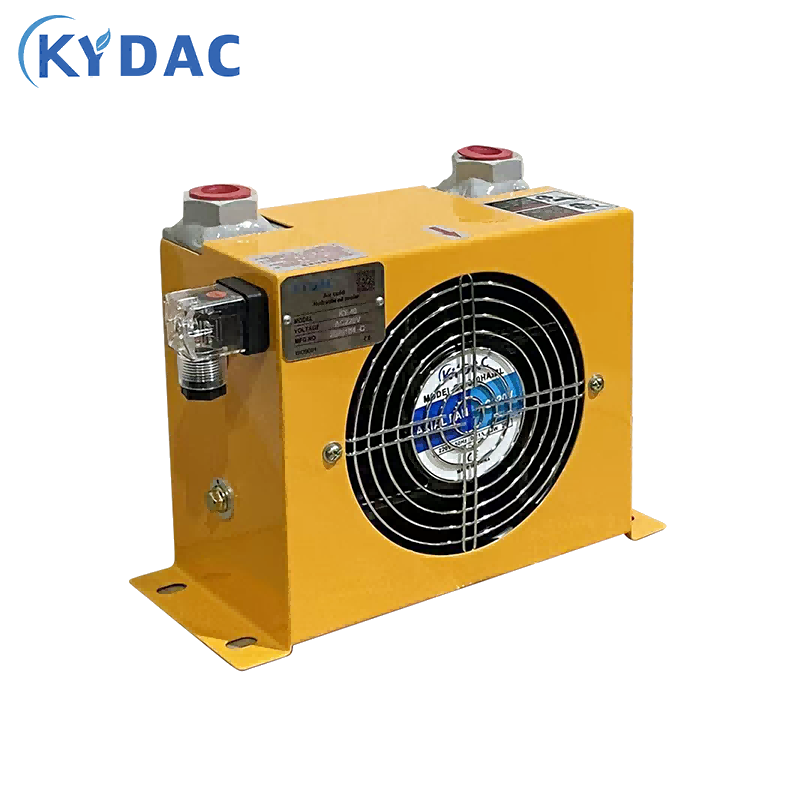
A compact hydraulic air cooler can provide effective cooling while helping equipment designers make better use of available installation space.
This makes air-cooled hydraulic oil coolers suitable for applications where both cooling capacity and equipment dimensions need to be considered.
The fan provides forced airflow through the heat exchanger core.
Compared with relying only on natural airflow, fan-assisted cooling can provide more consistent heat dissipation when the equipment is operating at low vehicle speed or in environments where natural airflow is insufficient.
Hydraulic air coolers can be integrated into different hydraulic circuits according to system requirements.
When selecting an installation configuration, engineers should consider:
Correct installation helps the cooler achieve its intended performance.
Hydraulic air coolers are used across a wide range of equipment and industries.
Construction equipment can experience high hydraulic loads and long operating cycles.
Hydraulic coolers can be used in:
Effective temperature control helps hydraulic systems maintain stable operation during demanding working conditions.
Agricultural equipment may operate continuously during planting, harvesting, and material handling operations.
Hydraulic oil cooling solutions can be applied to:
Industrial equipment often requires stable hydraulic performance over extended operating periods.
Hydraulic air coolers can be integrated into:
For mobile machinery, compact dimensions and reliable airflow are important considerations.
Hydraulic air coolers can support cooling requirements in:
Choosing a hydraulic cooler should be based on the actual operating conditions rather than product dimensions alone.
The required cooling capacity depends on factors such as:
A cooler that is too small may not provide sufficient heat dissipation, while unnecessary oversizing can increase equipment cost and installation requirements.
Oil flow is an important parameter when selecting a hydraulic oil cooler.
The cooler should be matched to the actual hydraulic circuit and operating flow range to ensure appropriate heat transfer performance without creating unsuitable pressure losses.
The cooler must be suitable for the pressure and circuit configuration in which it will be installed.
Before selecting a model, engineers should verify:
Environmental conditions can have a significant effect on air-cooled heat exchanger performance.
Important factors include:
For machinery operating in dusty environments, cooler maintenance and cleaning should also be considered during system design.
Before choosing a hydraulic air cooler, confirm the available space and required mounting configuration.
Consider:
Regular maintenance can help maintain cooling performance throughout the equipment lifecycle.
The maintenance schedule should be adapted to the actual operating environment, but common checks include:
Dust, dirt, and debris accumulated on the cooling fins can restrict airflow and reduce heat transfer efficiency.
Check the fan, motor, and related components for abnormal noise, vibration, or operating problems.
Inspect oil connections and mounting points for signs of leakage, looseness, or damage.
Monitoring hydraulic oil temperature can help identify potential cooling problems before they affect system operation.
Different machines have different cooling requirements. Standard configurations may not always provide the most suitable solution for specialized hydraulic systems.
Customized hydraulic cooler solutions can be developed according to application requirements, including:
A professional engineering and manufacturing process allows the cooler to be designed around the actual equipment rather than forcing the equipment to adapt to an unsuitable cooling solution.
For hydraulic equipment manufacturers and system integrators, choosing a supplier with hydraulic application knowledge can simplify product selection and development.
A reliable hydraulic cooler supplier should be able to provide:
For customers developing new hydraulic equipment, early communication with the cooler manufacturer can also help optimize installation space and cooling performance during the design stage.
A hydraulic air cooler is more than a heat exchanger—it is an important part of hydraulic system temperature management.
By selecting the appropriate cooling capacity, airflow configuration, installation method, and product specifications, manufacturers can build hydraulic systems with more stable operating conditions and improved reliability.
Our hydraulic cooling solutions are designed to support customers across construction machinery, agricultural machinery, industrial equipment, mobile hydraulics, and other applications.
From product selection and customized design to manufacturing and delivery, we provide hydraulic cooling solutions focused on application requirements and long-term performance.
Hydraulic air coolers provide an efficient and practical method for removing excess heat from hydraulic oil.
Their combination of forced airflow, effective heat exchange, compact construction, and flexible installation makes them suitable for a broad range of hydraulic applications.
When selecting a hydraulic oil cooler, it is important to evaluate cooling capacity, oil flow, operating pressure, ambient temperature, installation space, and actual working conditions.
With the right hydraulic cooler and proper system design, hydraulic equipment can maintain more stable oil temperatures and operate reliably under demanding conditions.
Looking for a hydraulic air cooler for your equipment? Contact our technical team with your oil flow, operating temperature, pressure, and installation requirements for a suitable cooling solution.

A hydraulic air cooler is a heat exchanger that removes heat from hydraulic oil by transferring it to ambient air, usually with the assistance of a fan.
A hydraulic air cooler uses ambient air as the cooling medium, while a hydraulic water cooler uses water or another liquid cooling medium to remove heat. The appropriate solution depends on the equipment design, available cooling resources, operating environment, and required cooling performance.
They are commonly used in construction machinery, agricultural machinery, industrial hydraulic systems, mobile equipment, hydraulic power units, and other machinery requiring hydraulic oil temperature control.
Key selection parameters include cooling capacity, oil flow rate, operating pressure, hydraulic oil temperature, ambient temperature, installation space, and airflow conditions.
Yes. Depending on the application and manufacturer’s capabilities, hydraulic air coolers can be customized or configured according to cooling capacity, dimensions, mounting requirements, connections, fan configuration, and other system requirements.