Home

Best-selling products

  • All Products
  • Air cooler
  • Filter
  • Water Cooler
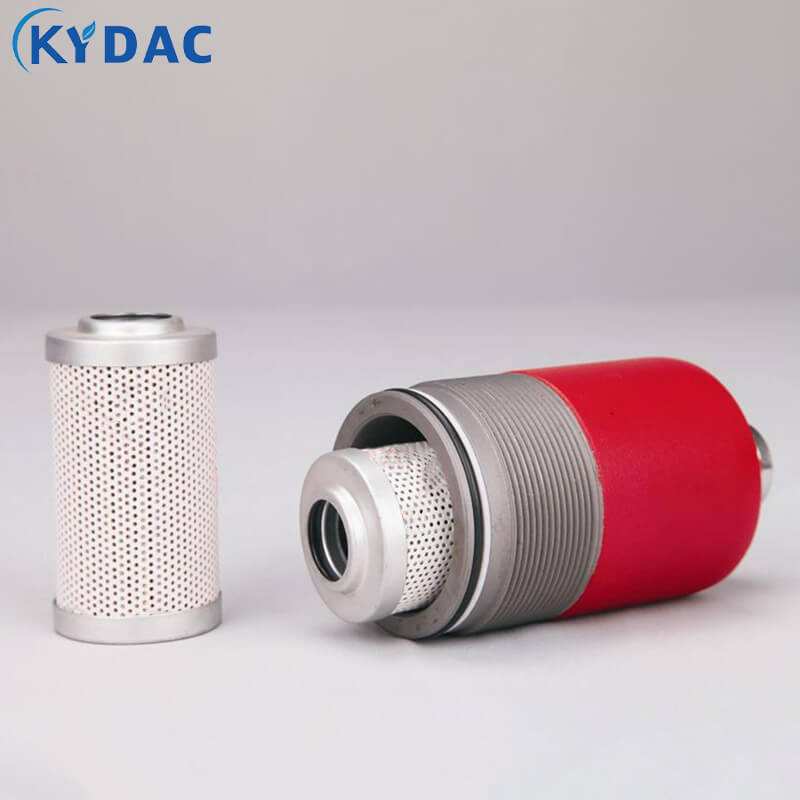
XDF-MA60Q10 PILOT FILTER XDF-MA60Q10 PILOT FILTER
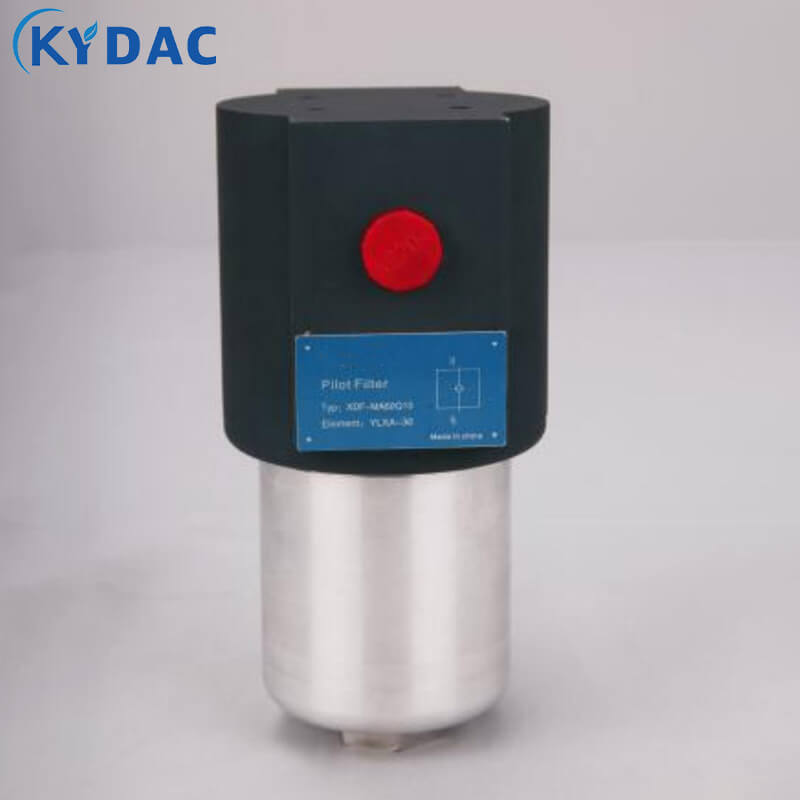
XDF-MA60Q10 PILOT FILTER

XDF-MA60Q10 filters are installed on the medium pressure line, which has high filtration accuracy, lowinitial pressure loss, high contamination retention capacity and multi-purpose etc. characteristics, canmeet the various requirements from the customers through assembling different accessories.

Read More
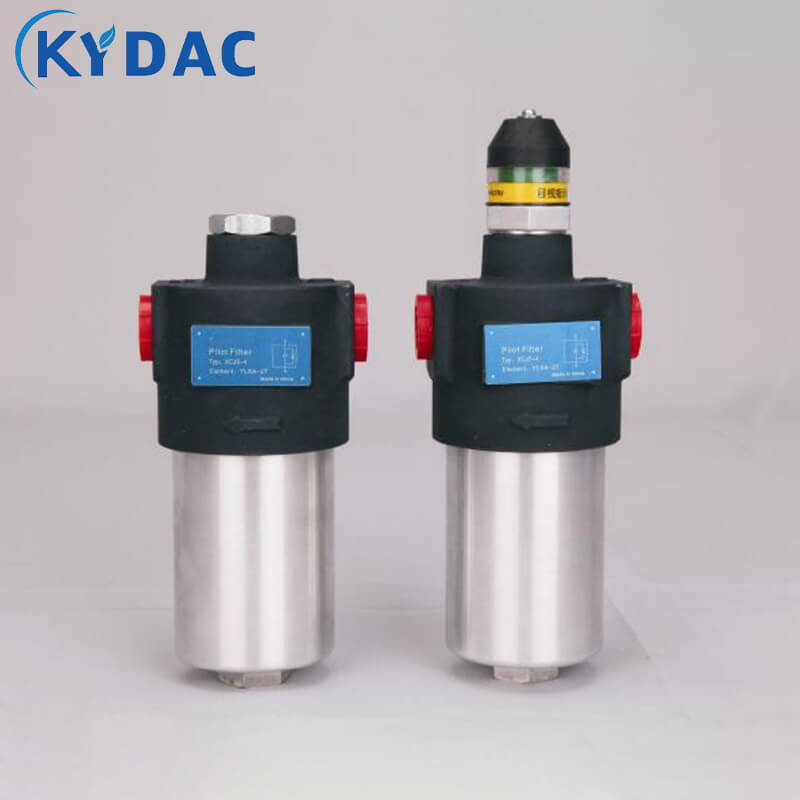
XCJS-4 PILOT FILTER XCJS-4 PILOT FILTER
XCJS-4 PILOT FILTER

XCJS-4 series filters are installed in hydraulic system pressure line, with internalmagnetic filter element, which can effectively filter the metal particles of hydraulicoil, in order to provide clean hydraulic oil for hydraulic system.

Read More
XDF VALVE BLOCK MOUNTED PRESSURE FILTER SERIES XDF VALVE BLOCK MOUNTED PRESSURE FILTER SERIES
XDF VALVE BLOCK MOUNTED PRESSURE FILTER SERIES

This filter can be installed directly on the valve block, it makesthe system more compact, and the space is saved and has thesmall flow resistance, high pressure resistance etc.characteristics, which can meet the various applicationrequirements from the customers (Can replace Hydac valveblock mounted pressure filter).

Read More
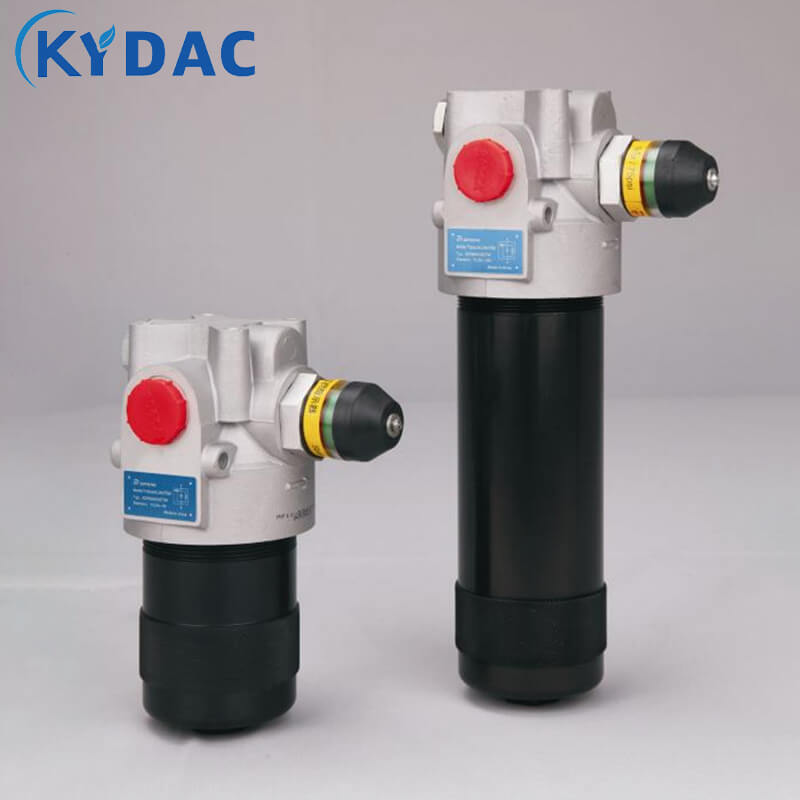
XDFM MEDIUM PRESSURE LINE FILTER SERIES XDFM MEDIUM PRESSURE LINE FILTER SERIES
XDFM MEDIUM PRESSURE LINE FILTER SERIES

XDFM series filters apply to the medium pressure line with bypass valve and cloggingindicator; this filter can effectively filter the impurity in the hydraulic oil and assure thenormal operation of hydraulic system.

Read More
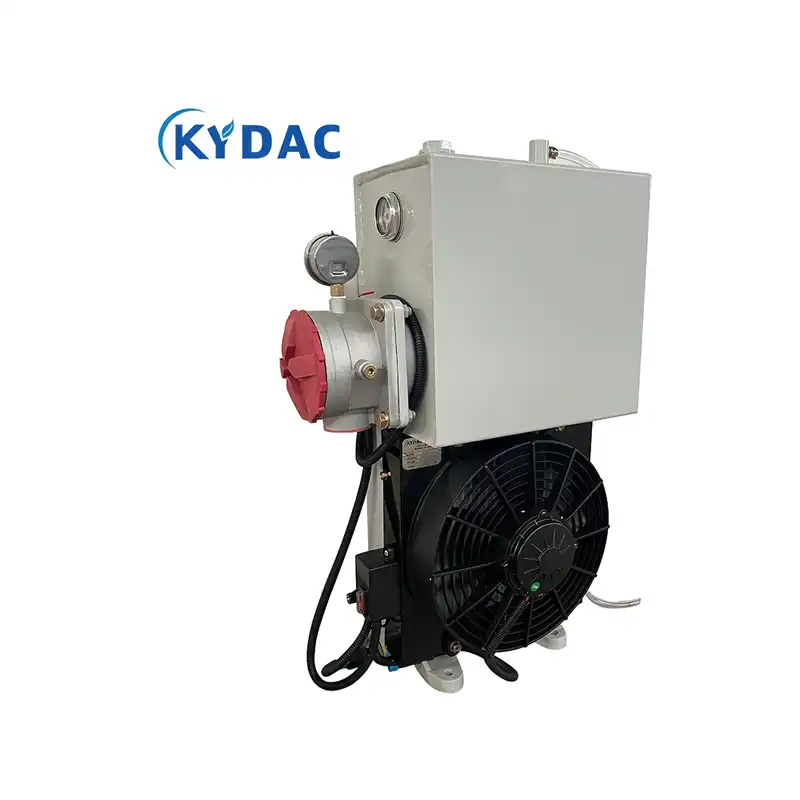
Independent Circulation Series Independent Circulation Series
Independent Circulation Series

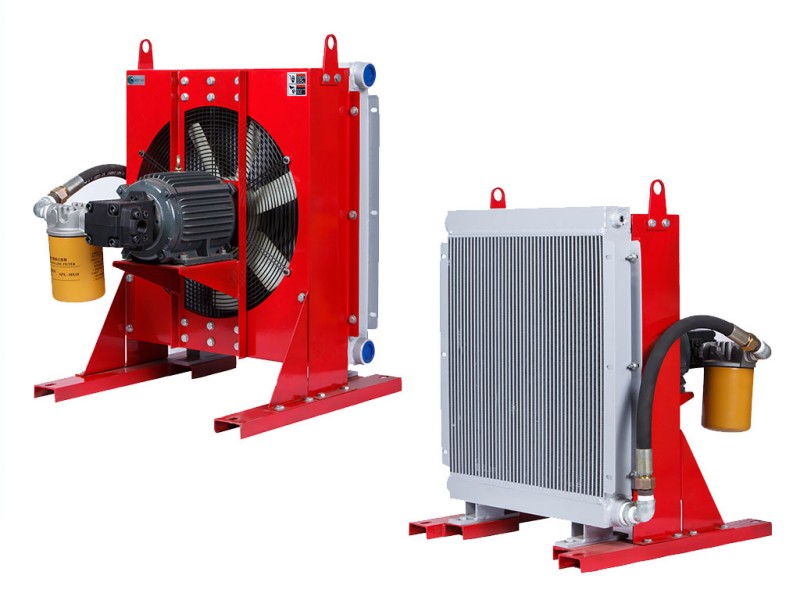
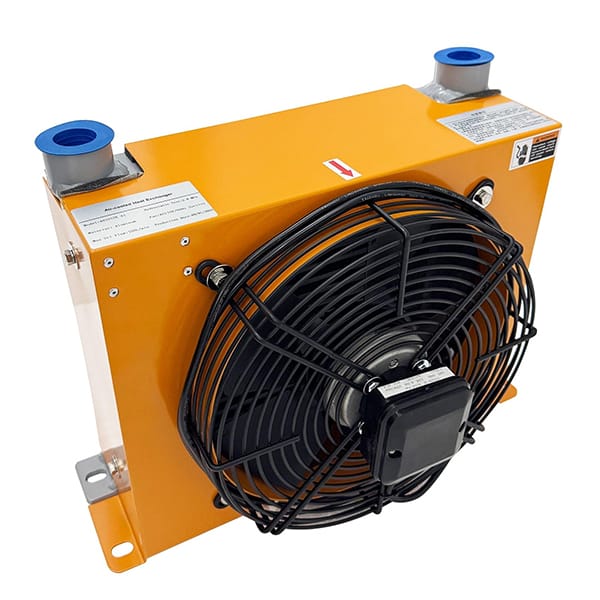
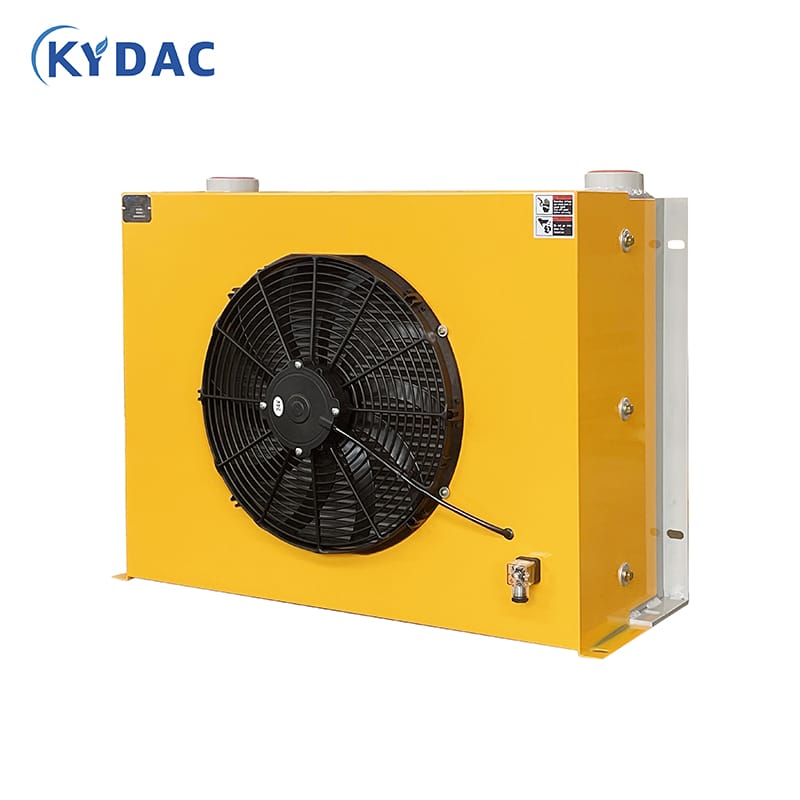
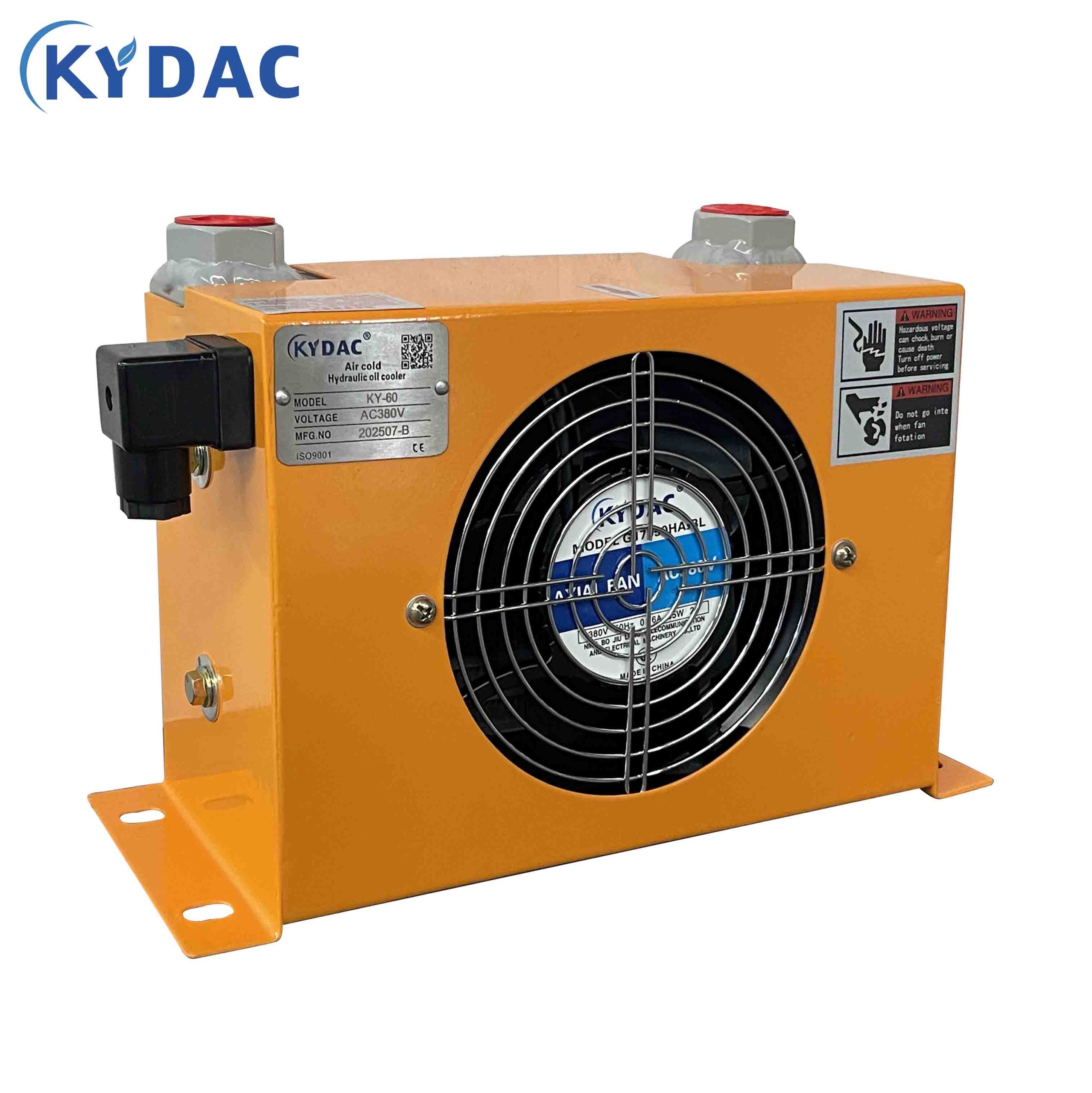
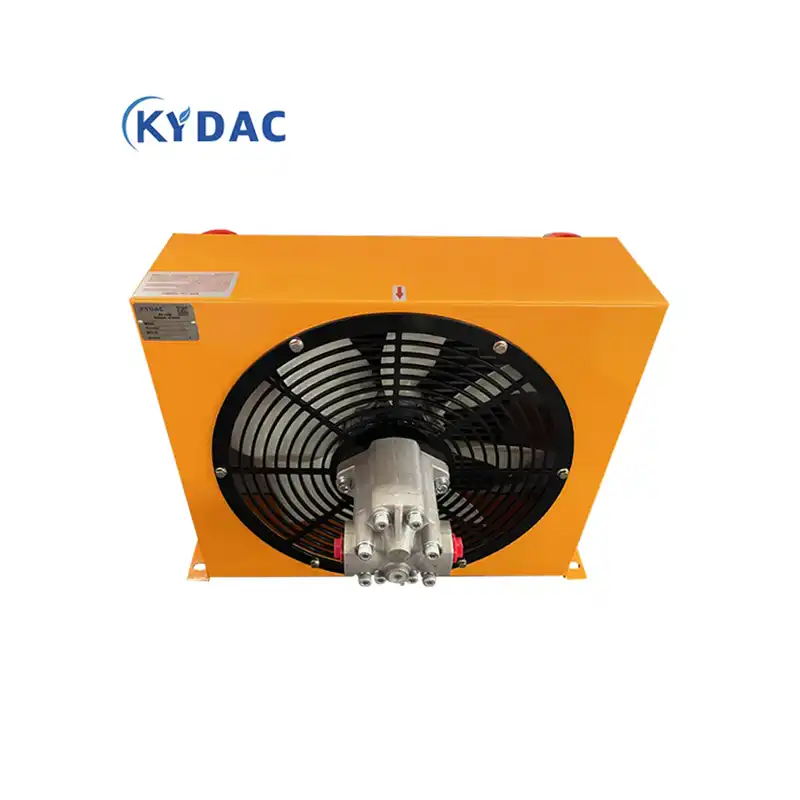
The cooler uses high-performance heat sink and hydraulic motor, so that it can be used for a long time in complex engineering machinery applications with barrier-free operation. The compact design makes the cooler suitable for most equipment and shows high efficiency in terms of heat dissipation, and the space occupied is very small.

Read More
Motor Motor
Motor

The cooler is specially used in construction machinery, and uses high-performance heat sink and hydraulic motor, so that it can operate without barrier for a long time in complex engineering machinery applications; the compact design makes the cooler suitable for most equipment, with high heat dissipation and refrigeration performance and small space occupation.

Read More
The series of oil cooler assemblies for concrete mixers The series of oil cooler assemblies for concrete mixers
The series of oil cooler assemblies for concrete mixers

The series of oil cooler assemblies for concrete mixers produced by our company have performed well in years of practical use and won unanimous praise from customers. The assembly integrates a cooler, oil tank, fan, air guide cover protective net, temperature switch and filter. The oil tank and radiator are integrated, and the filter is connected to the oil tank through a flange. For the available models, please refer to the table on the first page.

Read More
Explosion-proof Products Explosion-proof Products
Explosion-proof Products

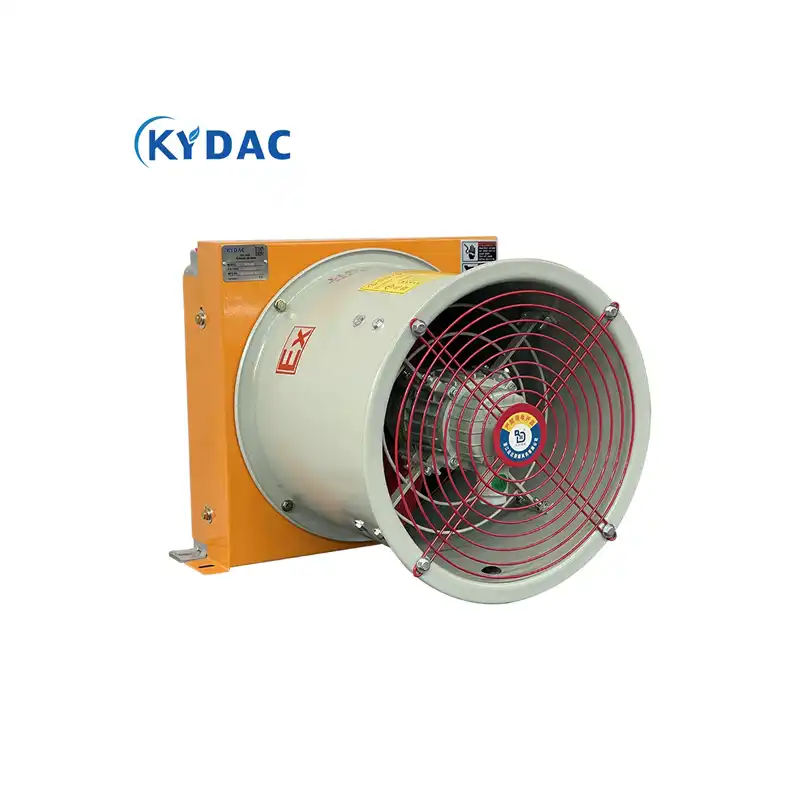
Dangerous environment with flammable and explosive gases, dust or vapors, mainly used for safely cooling equipment to ensure the continuous operation of industrial production. Typical applications: Reactor circulation oil systems, coal mining machines, tunnel boring machines, continuous casting machine hydraulic transmission systems.

Read More
XDF-MA60Q10 PILOT FILTER XDF-MA60Q10 PILOT FILTER
XDF-MA60Q10 PILOT FILTER

XDF-MA60Q10 filters are installed on the medium pressure line, which has high filtration accuracy, lowinitial pressure loss, high contamination retention capacity and multi-purpose etc. characteristics, canmeet the various requirements from the customers through assembling different accessories.

Read More
XCJS-4 PILOT FILTER XCJS-4 PILOT FILTER
XCJS-4 PILOT FILTER

XCJS-4 series filters are installed in hydraulic system pressure line, with internalmagnetic filter element, which can effectively filter the metal particles of hydraulicoil, in order to provide clean hydraulic oil for hydraulic system.

Read More
XDF VALVE BLOCK MOUNTED PRESSURE FILTER SERIES XDF VALVE BLOCK MOUNTED PRESSURE FILTER SERIES
XDF VALVE BLOCK MOUNTED PRESSURE FILTER SERIES

This filter can be installed directly on the valve block, it makesthe system more compact, and the space is saved and has thesmall flow resistance, high pressure resistance etc.characteristics, which can meet the various applicationrequirements from the customers (Can replace Hydac valveblock mounted pressure filter).

Read More
XDFM MEDIUM PRESSURE LINE FILTER SERIES XDFM MEDIUM PRESSURE LINE FILTER SERIES
XDFM MEDIUM PRESSURE LINE FILTER SERIES

XDFM series filters apply to the medium pressure line with bypass valve and cloggingindicator; this filter can effectively filter the impurity in the hydraulic oil and assure thenormal operation of hydraulic system.

Read More
The SGLP series coolers The SGLP series coolers
The SGLP series coolers

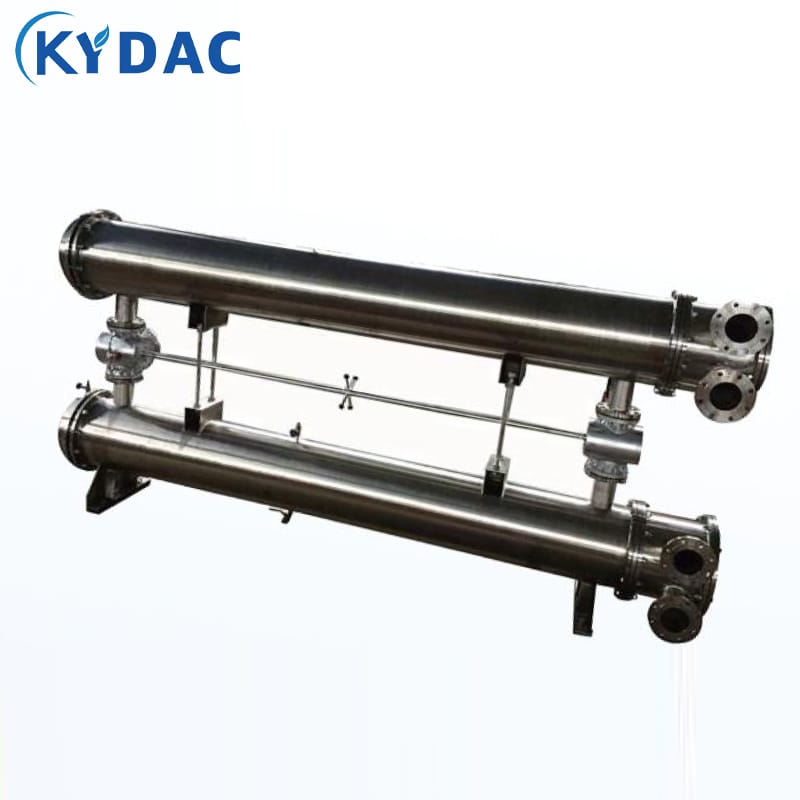
This cooler adopts a double-unit structure, which is composed of two oil coolers with the same area and a three-way device, one in operation and one for standby. Each cooler can bear the cooling load of the entire system. The tube sheet is fixed at one end and floating at the other end, with detachable tube boxes and water chamber covers, which facilitate cleaning, inspection and maintenance during operation. Multiple material options are available for the cooler according to the application site and water system conditions.

Read More
The SGLL series coolers The SGLL series coolers
The SGLL series coolers

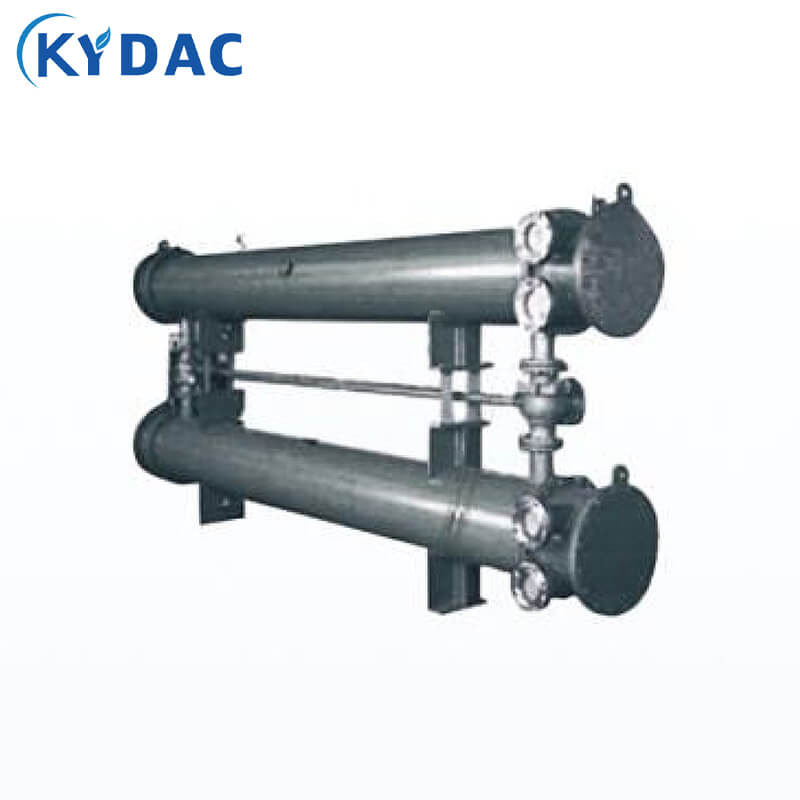
The SGLL series coolers adopt a double-unit structure, which is composed of two oil coolers with the same area and a three-way device, one for use and one for standby. Each cooler can bear the cooling load of the entire system. The tube sheet is fixed at one end and floating at the other end, with detachable tube boxes and water chamber covers, which are convenient for cleaning, inspection and maintenance during operation. Multiple material options are available for the coolers according to the application site and water system conditions.

Read More
The GLL series coolers The GLL series coolers
The GLL series coolers

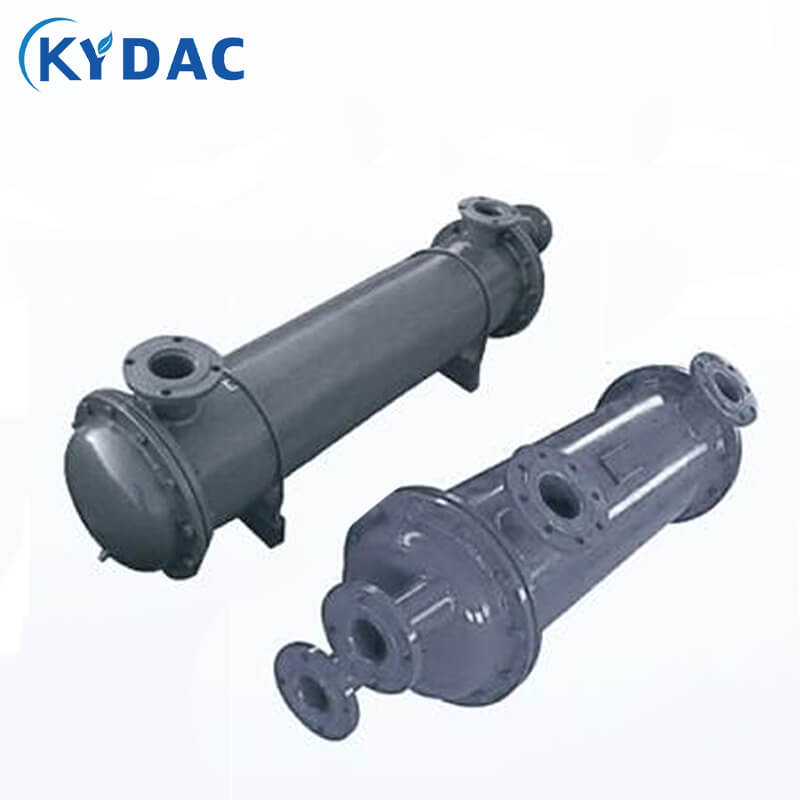
The GLL series coolers employ bare tube (unfinished) heat transfer tubes (traditional structure). Small models use a fixed tubesheet structure, while medium and large models use a moving tubesheet structure. The bare tube (unfinished) heat transfer tubes offer high external film heat transfer coefficients and strong resistance to fouling. They are suitable for cooling high-viscosity and dirty oils, as well as water-to-water and water-to-gas heat exchange. Depending on customer requirements, the GLL series can be made of stainless steel or special alloy materials, suitable for heat exchange applications involving chemical, high-temperature, and seawater media. The medium and large models in this series utilize a moving tubesheet structure, allowing the tube bundles to be disassembled for cleaning and repair. This series, ranging from small to medium-to-large, can be designed and manufactured according to customer requirements, covering a wide range of applications.

Read More
The GLP series high-efficiency sleeved fin oil coolers The GLP series high-efficiency sleeved fin oil coolers
The GLP series high-efficiency sleeved fin oil coolers

The GLP series high-efficiency sleeved fin oil coolers designed and produced by our company are a new generation of high-efficiency and energy-saving products developed in response to the requirements of the era of energy conservation and environmental protection and combined with the application characteristics of internationally advanced coolers. They are high-tech products recommended by Jiangsu Province. This product has the characteristics of small volume, high heat transfer coefficient, light weight, low water and energy consumption, and is widely used in lubrication systems, plastic machinery, air compressors, refrigeration systems, hydraulic systems, power generation equipment, as well as petroleum, chemical industry, metallurgy, gas separation systems, textile and other industries.

Read More
benefits-v1-bg

our service

Serve3

The Pulse of Circulation: The Service Art of the Water Cooler

The heart of the industrial world beats at a constant temperature. The core force that maintains this cool and guards efficiency is the Water Cooler. Its service philosophy is hidden within the cycle of water—a precise art of using flexibility to overcome rigidity, and a systemic wisdom of thermal management.   1. Profound Service: From “Ancillary” to “Cornerstone” Traditionally viewed as ancillary to main equipment, the water cooler has transformed into critical infrastructure in modern industrial logic. Its service represents a qualitative shift from passive cooling to active thermal management:   Guarding Precision Beside the lens of a laser cutter, within the core chamber of semiconductor etching equipment, a fluctuation of even one degree Celsius can drastically impact yield rates. The water cooler acts like a calm tuner, using a constant flow of chilled water to provide meticulous heat management for precision components. It safeguards not merely against “burn-out,” but the “absolute stability” that determines a product’s fate.   Taming Intensity Where traditional air cooling falters against the intense, frequent heat waves of a stamping press or the persistent furnace residue heat of a large die-casting machine, water, with its immense specific heat capacity, becomes the undeniable “heat mover.” Here, the water cooler serves the extreme loads of heavy manufacturing, silently carrying away intense, concentrated heat through efficient water circulation, ensuring the production rhythm never falters from overheating.   Redefining Energy Efficiency The most elegant service of a water cooler lies in “heat exchange,” not “heat waste.” On the condenser side of a thermal power plant, it is the circulatory channel efficiently discharging waste heat into rivers; in modern data centers, it transforms server heat into a reusable source for building heating. Here, its service logic shifts from a “cost center” to a “hub for energy circulation.”

Serve2

The Silent Loyal Guardian: The Service Philosophy of the Suction Filter

Deep within the pulse of steel and between the breaths of machinery, the operation of the industrial world relies on an intangible lifeblood—hydraulic oil. It transmits power, lubricates joints, and is the source of vitality for heavy equipment. Yet, this precious lifeblood is highly susceptible to the threat of contaminating impurities. At this moment, a silent guardian steps into action, stationed at the very forefront of the hydraulic system: the Suction Filter. Its existence is not for self-aggrandizement, but to ensure the longevity and reliability of the entire system.   Core Service Mission: Guardian from the Source The service of the suction filter begins before every beat of the hydraulic system’s heart—the pump. Typically installed at the pump’s suction inlet, its fundamental duty is to intercept contaminants before they can enter and damage critical hydraulic components. This is no simple task. The pump, like the heart of the system, requires a continuous, stable, and clean supply of oil. Any hard particulate entering it acts like a “thrombus” in the bloodstream, causing scoring, sticking, or wear to the pump’s precise internal parts, leading to efficiency loss, abnormal noise, or even catastrophic failure. The suction filter is the “loyal guard” posted at the heart’s entrance. Using its filter element (often made of materials like wire mesh) for physical interception, it builds the first and most crucial line of defense.   The Wisdom of Service: Stability Above All True service lies not only in performing duties but in the wisdom and responsibility demonstrated during crises. The design of the suction filter embodies this “service wisdom” perfectly. Consider this: when the guardian itself becomes “fatigued” from prolonged duty (the element gradually clogs), how does it choose to act? Poor design might starve the pump (cause cavitation), triggering worse failures. A well-designed suction filter incorporates an ingenious dual safety mechanism:   1.Intelligent Early Warning: When element clogging reaches a certain level, causing the pressure differential across it to rise to a set value (e.g., 0.018 MPa), its built-in contamination/clogging indicator immediately triggers an alert—a loud warning from the guard, prompting maintenance personnel to act.   2.Emergency Safeguard: If the alert goes unheeded and the pressure differential increases further (e.g., to 0.02 MPa), the bypass valve automatically opens. This valve acts like an emergency relief passage, allowing unfiltered oil to temporarily flow directly through. Its primary service objective instantly shifts to: ensure the pump does not stop and the system does not fail, at all costs. This seemingly “negligent” act is, in reality, profound wisdom with the highest priority of preserving the system’s life, buying crucial time for planned maintenance shutdowns.   Furthermore, to make the service process convenient and clean, many suction filters are equipped with an anti-drain valve. When maintenance personnel unscrew the filter cover to replace or clean the element, this valve automatically seals the oil passage, preventing oil from leaking out of the reservoir. This significantly simplifies maintenance, reducing both cost and environmental impact.

Serve1

On Aluminum Alloy Air Coolers and Their Role in Service Applications

In modern industrial and service sectors where extreme efficiency and reliability are paramount, there exists an unassuming yet critical component that acts as a “guardian of the system’s heart”—the aluminum alloy air cooler. Unlike large, complex central air conditioning systems, aluminum alloy air coolers are embedded within countless critical devices, leveraging their lightweight nature, high strength, exceptional thermal conductivity, and corrosion resistance. Their service is one of precise, direct, and indispensable point-to-point protection.   Its service mission is clear and unwavering:   First, to grant equipment the ability to “think coolly.” Whether it’s servo drives operating at high speeds on automated production lines, power modules in never-sleeping data centers, or the core power units of new energy charging piles, these components generate persistent heat while functioning efficiently. The aluminum alloy air cooler acts like a贴身 (close-fitting) thermal management butler, rapidly dissipating waste heat through efficient fin structures and forced convection. This ensures electronic components operate within safe temperature ranges, preventing performance degradation, malfunctions, or even damage caused by overheating. It safeguards the equipment’s “intelligence” and stability.   Second, to epitomize lightweight design and durability. In mobile service scenarios—such as construction machinery, specialized vehicles, and communication base stations—every gram of weight impacts energy consumption and mobility. The lightweight properties of aluminum make it an ideal choice for cooling solutions in these fields. Furthermore, its innate oxidation resistance and capacity for surface treatment allow it to withstand outdoor elements and corrosive industrial atmospheres without fear, delivering long, reliable service life and significantly reducing maintenance frequency and costs.   Third, to achieve an exquisite balance between energy efficiency and space utilization. Within cabinets and electrical boxes where space is at a premium, aluminum alloy air coolers solve significant thermal challenges in compact areas thanks to their high heat dissipation density. By enhancing the device’s own cooling efficiency, they indirectly reduce the environmental cooling load of the entire space, making a silent yet crucial contribution to the overall energy efficiency of the system. Therefore, the service provided by aluminum alloy air coolers is fundamentally an embedded infrastructure service. They do not interface directly with end-users but ultimately serve the smooth operation of our society by ensuring the absolute reliability of the devices (such as networks, power supplies, transportation, and automated production lines) upon which everyone depends. Mounted silently on the casings of various equipment, they sense the flow of heat and constantly respond with a gentle flow of air. This is more than just physical heat exchange; it is a silent promise of stability, reliability, and continuous operation. In an era driven by interconnectivity and intelligence, it is a cornerstone—hidden behind the scenes—that supports the stable advancement of cutting-edge technology.

Latest Case

Case

Cooperation case2

In the roaring world of industry, there exists a class of components seldom in the spotlight, yet serving as the “unsung heroes” of efficiency and safety—aluminum alloy air coolers. Leveraging their lightweight nature, high thermal conductivity, and excellent corrosion resistance, they undertake the critical task of ensuring key equipment can “think coolly” in harsh environments ranging from extreme cold to intense heat. Behind these successful applications often lies not solitary effort, but the crystallization of close collaboration across the industrial chain, jointly overcoming challenges. This article explores two typical partnership cases to reveal how this “win-win cooperation” model continuously drives aluminum alloy air cooler technology to break through limits and serve broader frontiers.   Case Study One: Empowering Green Energy, Guarding the Heart of Offshore Wind Farms   Collaborators: Guizhou Yonghong Heat Exchange & Cooling Technology Co., Ltd. and Global Wind Power Leaders (e.g., VESTAS, GE, Goldwind) The Challenge: Inside the nacelles of offshore wind turbines, core components like frequency converters and generators continuously produce significant heat. Simultaneously, the equipment must endure the highly corrosive marine environment characterized by high salt and humidity, posing extremely stringent demands on the cooler’s reliability, lightweight design, and corrosion-resistant lifespan. The Innovative & Collaborative Solution: Yonghong Heat Exchange, a leading domestic manufacturer of aluminum heat exchange components, leveraged its nearly five decades of technical expertise to engage in deep collaboration with leading wind turbine OEMs. Together, they focused on developing specialized aluminum alloy plate-fin coolers. The core innovation of this partnership lay in materials and processes:   1.Ultimate Corrosion Resistance: Through special material formulations and surface treatment processes, their products achieved a corrosion-resistant lifespan of 6,000 hours in accelerated acidic salt spray tests, far exceeding the common market standard of 1,400 hours, ensuring stable equipment operation offshore for 16-20 years.   2.Lightweight & Efficient Design: The inherent advantages of aluminum alloy reduced the top-of-tower load. Joint simulation and customized design addressing the unique spatial layout and heat dissipation needs of offshore wind ensured maximized cooling efficiency.   Outcomes & Value: Through in-depth collaboration, Yonghong’s products successfully addressed the critical cooling challenges of offshore wind. Their aluminum heat exchangers are now used in nearly 80% of global offshore wind power equipment. This partnership not only achieved import substitution for a key component but also established a high-end, Chinese-made cooling product as the “standard” in the world’s green energy industry, laying a solid foundation for the highly reliable, long-cycle operation of the wind power sector. Domestic major energy enterprises like Zhejiang Energy Group have also procured domestically produced aluminum alloy plate-fin coolers for their offshore wind projects, reflecting market recognition of this mature collaborative achievement.

Cooperation case3

In the factory of a large excavator manufacturer in Zhejiang, newly assembled equipment on the final production line awaited testing. However, a batch of specialized machines destined for tropical rainforest regions repeatedly showed potential failure symptoms—early wear of hydraulic pumps and spool sticking in their hydraulic systems under high temperature and humidity. The core issue pointed to the “first line of defense”: the suction filter. Standard filters couldn’t handle the slight oil emulsification and finer particle intrusion caused by the local damp environment. Instead of tackling the problem alone, the manufacturer immediately formed a joint project team with its long-term partner, the German filtration specialist MANN+HUMMEL. Engineers from both sides conducted an in-depth analysis of the faulty units and local operational data, defining the new requirements: the filter needed enhanced water separation capability and higher dirt holding capacity, while maintaining very low flow resistance to ensure proper pump suction. Based on this, MANN+HUMMER initiated a customized co-development project:   1.Material & Structural Innovation: A special glass fiber composite filter media was adopted, which significantly improved the coalescing separation of trace water from the oil while efficiently capturing particles.   2.Collaborative Performance Validation: The manufacturer provided access to its hydraulic test benches. Together, they conducted over 500 hours of enhanced endurance and pulse fatigue testing, simulating conditions harsher than real-world operations to verify reliability.   Outcome: This jointly developed dedicated suction filter reduced hydraulic system failure rates for those excavators in the rainforest region by over 70%. Equipment availability and customer satisfaction saw substantial improvement. This successful collaboration not only solved a specific problem but also led to a new high-performance product series, which became the standard configuration for the manufacturer’s equipment in global markets with special operating conditions. This case demonstrates that superior suction filter service results from deep integration, joint requirement definition, and collaborative development and validation between the supplier and the OEM. It transcends a simple buyer-seller relationship, evolving into a strategic partnership aimed at jointly enhancing the competitiveness of the end product, silently safeguarding the purity of the “blood” in every heavy equipment’s hydraulic system.
Cooperation case1

A large cloud computing data center in northern China faced a severe challenge: its traditional air-cooling system was nearing its limit. Server room temperatures frequently approached alert levels during summer, and the enormous energy consumption for heat dissipation kept operational costs high. Its PUE (Power Usage Effectiveness) value consistently remained above 1.5, failing to meet the development requirements for green data centers. Instead of simply expanding its air conditioning capacity, the data center initiated a strategic partnership with Huawei Digital Power. Together, they deployed a new indirect evaporative cooling and liquid cooling integrated solution, where high-efficiency water coolers (chillers + liquid cooling plates) served as the core of the entire plan. The key to the collaboration was deep integration and joint optimization:   1.Co-design: The Huawei team deeply integrated its self-developed FusionCol indirect evaporative cooling system with the data center’s IT equipment layout and heat load profile, participating in the planning from the early building phase to maximize the use of natural cooling resources.   2.Scenario-based Application: For high-density AI computing server clusters, the partners jointly tested and deployed cold plate liquid cooling. Chilled liquid from the water coolers was directly circulated through sealed pipes to cold plates attached to the server chips, enabling efficient and precise heat dissipation.   Outcome: After project completion, the data center’s annual PUE dropped to below 1.25, with natural cooling providing free cooling for over 60% of the year. Compared to the traditional solution, total energy consumption was reduced by more than 30%, equivalent to saving tens of millions of kilowatt-hours annually. Furthermore, servers operated in a lower-temperature, more stable environment, enhancing both performance and reliability. This case demonstrates that modern collaboration involving water coolers has evolved from mere equipment supply to an energy-efficiency strategic partnership starting from top-level design. By deeply integrating technology with the operational scenario, it transforms cooling from a “cost center” into an “efficiency engine,” jointly defining the new standard for the next generation of green data centers.
Industry Solutions

Product page decoration
About Us

Your Reliable Partner in Thermal Management and Filtration Solutions

We are an international trading company at the forefront of industrial component supply, backed by a dedicated manufacturing base with deep expertise in engineering and production. We specialize in providing three core lines of high-performance products that are essential for the reliability and efficiency of modern machinery: Aluminum Alloy Air Coolers, Water Coolers, and Suction Filters. Our mission is to bridge global industries with precision-engineered cooling and filtration solutions, ensuring our partners' equipment operates at peak performance across diverse and demanding environments. Our Core Product Portfolio We understand that every industry faces unique thermal and contamination control challenges. Our factory-produced portfolio is designed to meet these specific needs. Contact us today to explore a partnership.

  • Aluminum Alloy Air Coolers:The Solution: Lightweight, efficient, and highly corrosion-resistant cooling for enclosed systems. For Sectors Like: New Energy Vehicles (OBC, MCU), Telecom (5G AAUs), Renewable Power (Wind/Solar Converters), and Industrial Automation. Your Benefit: Enables higher power density, improves reliability in harsh conditions, and reduces system weight.
  • Water Coolers (Liquid Cooling Systems):The Solution: Precision temperature control for high-heat-load applications, from compact chillers to large industrial systems. For Sectors Like: Data Centers (HPC, AI servers), Laser & Precision Machining, Plastic Injection Molding, and Heavy Industry. Your Benefit: Delivers superior heat transfer for critical processes, enables significant energy savings (low PUE), and ensures unmatched stability for sensitive equipment.
  • Suction Filters:The Solution: The essential first line of defense for any hydraulic system, protecting valuable components from contamination. For Sectors Like: Mobile Machinery (Excavators, Agricultural), Industrial Hydraulics, Marine & Offshore, and Power Generation. Your Benefit: Extends component lifespan, reduces unplanned downtime, and lowers total cost of ownership through proactive contamination control.

25+

Years Experience

155+

Vehicle Suitable Accessories
150+

Vehicle Brands

26+

Vehicle Suitable Accessories
Latest News

Check out our blog

View More
1
12 , June

How to Prevent Hydraulic System Overheating with Air Oil Coolers

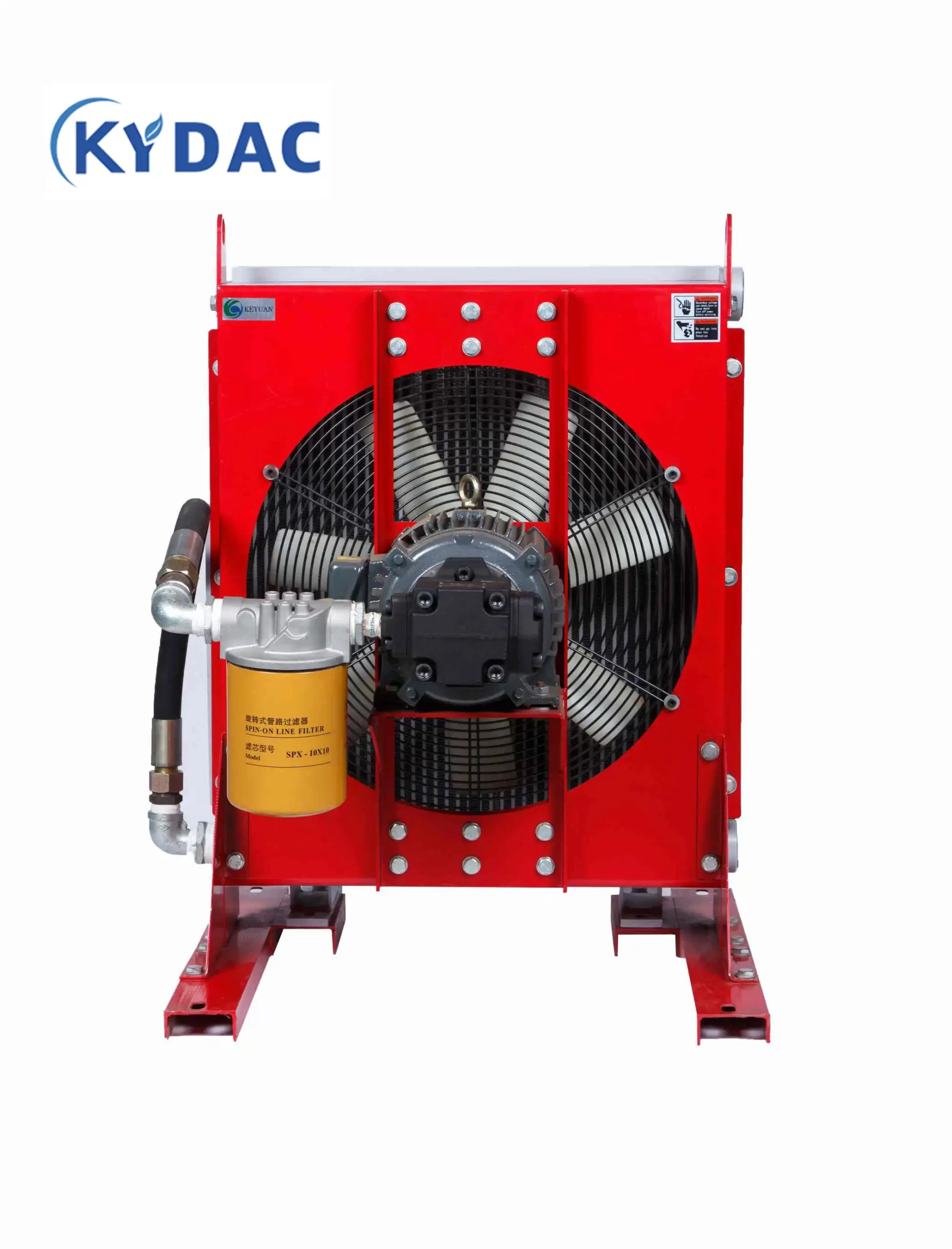
Why Hydraulic Systems Overheat Hydraulic systems convert mechanical energy into hydraulic power. During operation, energy losses occur due to friction, pressure drops, internal leakage, and component inefficiencies. These losses are transformed into heat. As operating temperatures rise, hydraulic oil begins to lose its optimal properties, affecting system performance and reliability. Common causes of overheating include: Continuous heavy-duty operation High ambient temperatures Insufficient cooling capacity Contaminated hydraulic oil Poor ventilation around equipment Undersized hydraulic reservoirs Without proper cooling, excessive heat can severely impact equipment performance. The Hidden Cost of High Hydraulic Oil Temperature Many equipment failures can be traced back to excessive oil temperature. When hydraulic oil exceeds recommended operating temperatures: Oil Viscosity Drops Lower viscosity reduces lubrication effectiveness and increases wear on moving components. Seal Life Shortens High temperatures accelerate aging of seals and hoses, increasing the risk of leakage. Hydraulic Components Wear Faster Pumps, motors, and valves become more vulnerable to damage due to insufficient lubrication. Oil Oxidation Accelerates Oil degrades faster, requiring more frequent replacement and increasing maintenance costs. System Efficiency Declines Higher temperatures reduce overall hydraulic efficiency and productivity. What Is a Hydraulic Air Oil Cooler? A Hydraulic Air Oil Cooler is a heat exchanger designed to remove excess heat from hydraulic oil using ambient air. The system generally consists of: Aluminum cooling core High-efficiency fan Electric or hydraulic motor Protective housing Oil inlet and outlet connections As hot oil flows through the cooler core, airflow generated by the fan dissipates heat into the surrounding environment. This process keeps hydraulic oil within the ideal operating temperature range. Key Advantages of Hydraulic Air Oil Coolers High Cooling Efficiency Large cooling surfaces and optimized airflow design provide excellent heat transfer performance. No Water Supply Required Unlike water-cooled systems, air oil coolers operate independently of cooling water sources. This makes them ideal for: Construction sites Agricultural fields Mining operations Mobile hydraulic equipment Lower Maintenance Requirements Air cooling systems are simpler and easier to maintain compared to water cooling systems. Compact Design Integrated structures allow easy installation even in limited spaces. Reliable Operation Modern hydraulic air coolers are designed for continuous operation under harsh industrial conditions. Air Oil Cooler vs Water Oil Cooler Feature Air Oil Cooler Water Oil Cooler Cooling Medium Air Water Installation Complexity Low Medium Maintenance Cost Low Medium Water Source Required No Yes Mobile Equipment Compatibility Excellent Limited Risk of Oil-Water Mixing None Possible For most mobile and outdoor hydraulic applications, air oil coolers provide the most practical solution. Typical Applications of Hydraulic Air Oil Coolers Hydraulic air oil coolers are widely used in: Construction Machinery Excavators Wheel loaders Cranes Road machinery Agricultural Equipment Tractors Harvesters Sprayers Industrial Machinery Hydraulic power units Injection molding machines Hydraulic presses CNC equipment Mining Equipment Drilling rigs Mining trucks Material handling system How to Choose the Right Hydraulic Air Oil Cooler Selecting the correct cooler requires evaluating several parameters: Heat Dissipation Requirement Calculate the amount of heat generated by the hydraulic system. Oil Flow Rate The cooler must match the hydraulic circuit flow requirements. Working Pressure Choose a cooler rated for the system’s maximum operating pressure. Ambient Conditions Higher ambient temperatures require greater cooling capacity. Installation Space Ensure sufficient airflow and installation clearance around the cooler. Why Choose KYDAC Hydraulic Air Oil Coolers? KYDAC hydraulic air oil coolers are designed to meet the demanding requirements of modern hydraulic systems. Key Features High-efficiency aluminum cooling cores Excellent heat dissipation performance Compact and lightweight design Low maintenance requirements Suitable for harsh operating environments Available for OEM and customized solutions Whether used in mobile machinery or industrial hydraulic systems, KYDAC air oil coolers help maintain optimal operating temperatures and improve overall equipment reliability. Conclusion Hydraulic overheating is one of the leading causes of system failure and reduced equipment life. Installing a high-performance hydraulic air oil cooler can: Reduce oil temperature Protect hydraulic components Extend equipment lifespan Improve operational efficiency Lower maintenance costs For industries seeking reliable and efficient hydraulic cooling solutions, hydraulic air oil coolers remain one of the most effective thermal management technologies available today.
fPo_j26_m3GjgrZFOSEzGGIrG34tt89LOS8SVLnaXr6jvgtYnaTkiZtjkXhidgimJ2jJUqfID4jGjEQcySn6qLNpU9MoaXbd7FhGS9udle4ymxoApkw1FPoEhSJXZKpTE7dI9VkvAJMznB0GXjj6ce31OzSZkDfF9C3aiFGoCgqBl6-CV0C2Wo5qXbzg77CG
5 , June

How Hydraulic Air Oil Coolers Improve Equipment Performance and Reduce Downtime

Introduction Heat is one of the biggest enemies of hydraulic systems. As hydraulic equipment operates under high pressure and continuous workloads, a large amount of heat is generated inside the system. Without effective cooling, excessive oil temperatures can reduce efficiency, accelerate component wear, and lead to unexpected equipment failures. A Hydraulic Air Oil Cooler is one of the most effective solutions for maintaining optimal oil temperature and ensuring long-term system reliability. Whether used in construction machinery, agricultural equipment, mining vehicles, or industrial hydraulic power units, air oil coolers play a critical role in protecting hydraulic systems from overheating. What Is a Hydraulic Air Oil Cooler? A hydraulic air oil cooler is a heat exchanger that removes heat from hydraulic oil by transferring it to ambient air. The system typically includes: Aluminum heat exchanger core High-efficiency cooling fan Electric or hydraulic motor Protective housing Oil inlet and outlet ports As hot hydraulic oil flows through the cooler, the fan forces air across the cooling fins, rapidly dissipating heat and lowering oil temperature. Why Hydraulic Oil Temperature Matters Hydraulic oil performs several critical functions: Power transmission Lubrication Heat transfer Corrosion protection Contamination removal When oil temperature becomes too high, several problems can occur: Excessive Temperature Effects Impact on System Reduced oil viscosity Poor lubrication Seal degradation Increased leakage Oil oxidation Shortened oil life Pump wear Reduced efficiency Valve sticking Unstable operation Maintaining proper oil temperature is essential for maximizing hydraulic system performance. Key Benefits of Hydraulic Air Oil Coolers 1. Efficient Heat Dissipation Modern air oil coolers feature: High-efficiency aluminum cores Optimized airflow design Large heat transfer surfaces Powerful cooling fans These features enable fast heat removal even in demanding operating conditions. 2. No Water Supply Required Unlike water-cooled systems, air oil coolers operate independently of external water sources. Advantages include: Easier installation Lower operating costs Reduced maintenance Greater flexibility for mobile equipment This makes air coolers particularly suitable for: Excavators Loaders Cranes Harvesters Forestry equipment 3. Eliminate Oil-Water Contamination Risks One major concern with water-cooled systems is the possibility of internal leakage. If water enters the hydraulic circuit, it may cause: Corrosion Oil degradation Pump damage Valve malfunction Because air oil coolers use ambient air as the cooling medium, there is no risk of oil-water mixing. 4. Compact and Easy to Install Hydraulic air coolers are designed with compact structures that allow: Flexible installation Reduced system footprint Simplified piping layouts Lower installation costs This is especially valuable in modern compact hydraulic equipment. Common Applications of Hydraulic Air Oil Coolers Construction Equipment Excavators Loaders Road rollers Concrete machinery Agricultural Machinery Tractors Harvesters Sprayers Industrial Equipment Hydraulic power units Injection molding machines Hydraulic presses CNC equipment Mining and Heavy Industry Mining trucks Drilling equipment Metallurgical machinery Port equipment How to Choose the Right Hydraulic Air Oil Cooler Selecting the correct air oil cooler requires evaluating several factors: Cooling Capacity The cooler must be capable of dissipating the heat generated by the hydraulic system. Oil Flow Rate The cooler should match the system’s hydraulic oil circulation requirements. Operating Pressure Ensure the cooler is designed to handle the system’s maximum pressure. Ambient Temperature Higher ambient temperatures may require larger cooling capacity. Installation Space Choose a cooler that fits available equipment space while maintaining adequate airflow. Air Oil Cooler vs Water Oil Cooler Feature Air Oil Cooler Water Oil Cooler Cooling Medium Air Water Installation Complexity Low Higher Maintenance Requirements Low Moderate Water Supply Needed No Yes Contamination Risk None Possible Mobile Equipment Suitability Excellent Limited For mobile and outdoor applications, air oil coolers are often the preferred choice. How Air Oil Coolers Reduce Maintenance Costs A properly designed cooling system helps: Extend hydraulic oil life Protect pumps and valves Reduce component wear Minimize equipment downtime Lower maintenance expenses Improve operational efficiency In many industrial applications, effective cooling directly translates into lower total operating costs. Conclusion Hydraulic air oil coolers are a critical component in modern hydraulic systems. By maintaining stable oil temperatures, they help improve efficiency, protect key hydraulic components, and reduce the risk of costly downtime. For industries that demand reliable performance under challenging conditions, air oil coolers provide a practical, energy-efficient, and low-maintenance cooling solution. Whether for construction machinery, industrial equipment, agricultural vehicles, or hydraulic power units, investing in a high-quality hydraulic air oil cooler is an effective way to maximize equipment performance and extend system life.
1
29 , May

Hydraulic Air Oil Coolers: The Key to Efficient Hydraulic System Cooling

Modern hydraulic systems operate under increasingly demanding conditions. High pressure, continuous operation, and heavy workloads generate significant heat inside hydraulic circuits. Without proper cooling, excessive oil temperature can reduce system efficiency, accelerate component wear, and even lead to costly equipment failure. This is why hydraulic air oil coolers have become an essential component in industrial and mobile hydraulic systems. What Is a Hydraulic Air Oil Cooler? A hydraulic air oil cooler is a cooling device designed to remove heat from hydraulic oil through forced air circulation. The system typically uses: High-efficiency aluminum cooling cores Axial or centrifugal fans Electric or hydraulic motors Optimized airflow structures The cooler transfers heat from the hydraulic oil to the surrounding air, maintaining stable oil temperatures during system operation. Hydraulic air coolers are widely used in: Construction machinery Agricultural equipment Mining machinery Industrial hydraulic stations Marine hydraulic systems Mobile hydraulic vehicles Why Hydraulic Systems Overheat Hydraulic systems naturally generate heat during operation due to: Pressure losses Fluid friction Pump inefficiency Continuous high-load operation Internal leakage If the oil temperature rises beyond the recommended range, it may cause: Problem Result Oil viscosity reduction Poor lubrication Seal aging Oil leakage Oxidized hydraulic oil Reduced oil lifespan Increased component wear Higher maintenance costs System instability Reduced productivity Proper thermal management is therefore critical for long-term hydraulic system reliability. Main Advantages of Hydraulic Air Oil Coolers 1. No External Water Source Required One of the biggest advantages of air oil coolers is operational independence. Compared with water-cooled systems, hydraulic air coolers: Do not require cooling water Simplify system installation Reduce piping complexity Lower maintenance requirements This makes them ideal for: Outdoor equipment Mobile machinery Remote job sites Harsh environments 2. Eliminate Oil-Water Contamination Risk Water-cooled systems may experience internal leakage, which can cause water and hydraulic oil to mix. This contamination may lead to: Hydraulic oil degradation Corrosion Pump failure Valve malfunction Hydraulic air oil coolers completely eliminate this risk because no cooling water is used inside the system. This is especially important for high-value industrial equipment. 3. High Cooling Efficiency Modern hydraulic air coolers are designed with: Large heat transfer surfaces High-performance fan systems Optimized airflow channels Efficient aluminum heat exchanger cores These features ensure stable cooling performance even under heavy-duty operating conditions. 4. Compact Structure and Easy Installation Hydraulic air oil coolers feature compact integrated structures that help: Save installation space Improve equipment layout flexibility Simplify hydraulic system design Reduce overall installation costs This compact design is highly suitable for integrated hydraulic power units and mobile machinery. Applications of Hydraulic Air Oil Coolers Hydraulic air oil coolers are widely used across multiple industries. Construction Machinery Excavators Loaders Cranes Road machinery Agricultural Equipment Harvesters Tractors Sprayers Industrial Equipment Hydraulic power units Injection molding machines CNC machinery Hydraulic presses Mining and Heavy Industry Mining vehicles Metallurgical equipment Port machinery Offshore hydraulic systems These industries require reliable cooling solutions capable of operating continuously under severe conditions. How to Select the Right Hydraulic Air Oil Cooler Selecting the proper cooler depends on several important factors: Selection Factor Description Cooling capacity Required heat dissipation Oil flow rate Hydraulic circulation volume Working pressure System pressure rating Ambient temperature Environmental conditions Installation space Available mounting area A properly matched hydraulic cooler helps improve: System efficiency Equipment reliability Oil service life Maintenance intervals Air Cooling vs Water Cooling Feature Air Oil Cooler Water Cooler Water source required No Yes Installation complexity Low Higher Maintenance Simple Moderate Risk of contamination None Possible Mobile equipment suitability Excellent Limited For outdoor and mobile hydraulic systems, air cooling is often the preferred solution due to its simplicity and reliability. Importance of Hydraulic Oil Temperature Control Maintaining stable hydraulic oil temperature helps: Protect hydraulic pumps Reduce component wear Improve lubrication performance Extend oil lifespan Lower downtime risk Increase operational efficiency In modern industrial applications, hydraulic cooling is not only about temperature reduction — it is a critical part of hydraulic system protection and reliability management. Conclusion Hydraulic air oil coolers provide an efficient, reliable, and cost-effective cooling solution for modern hydraulic systems. With advantages such as: Efficient heat dissipation No water dependency Easy installation Low maintenance Excellent environmental adaptability they are widely used in construction machinery, industrial equipment, agricultural machinery, and heavy-duty hydraulic applications. For companies seeking long-term hydraulic system reliability and improved operational performance, hydraulic air oil coolers are an essential thermal management solution.  
Products
Contacts
WhatsApp
Email