Explosion-proof Products3
Explosion-proof Products2
Explosion-proof Products1
Explosion-proof Products3
Explosion-proof Products2
Explosion-proof Products1

Explosion-proof Products

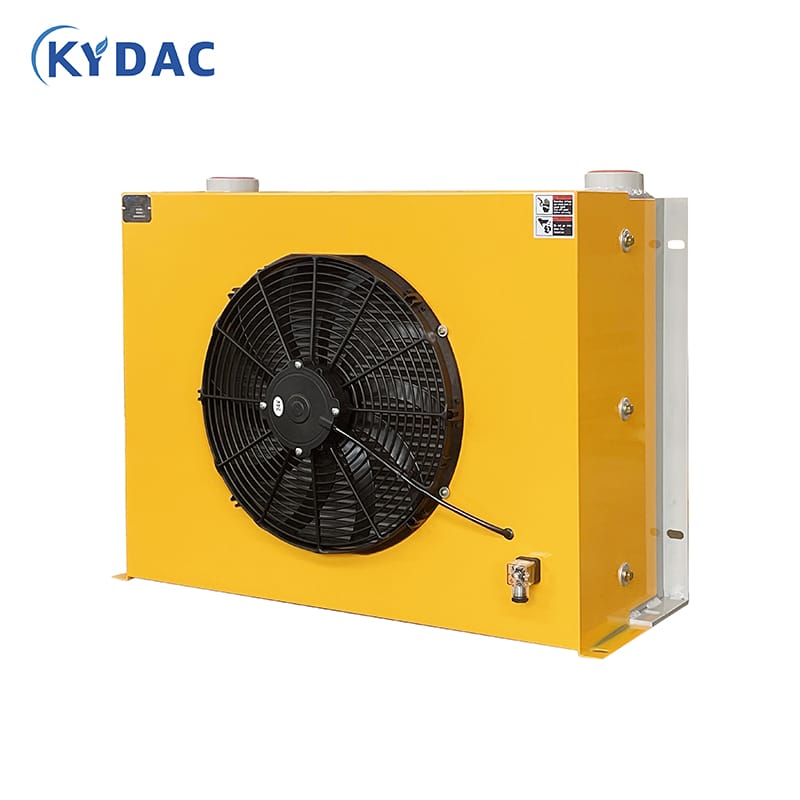
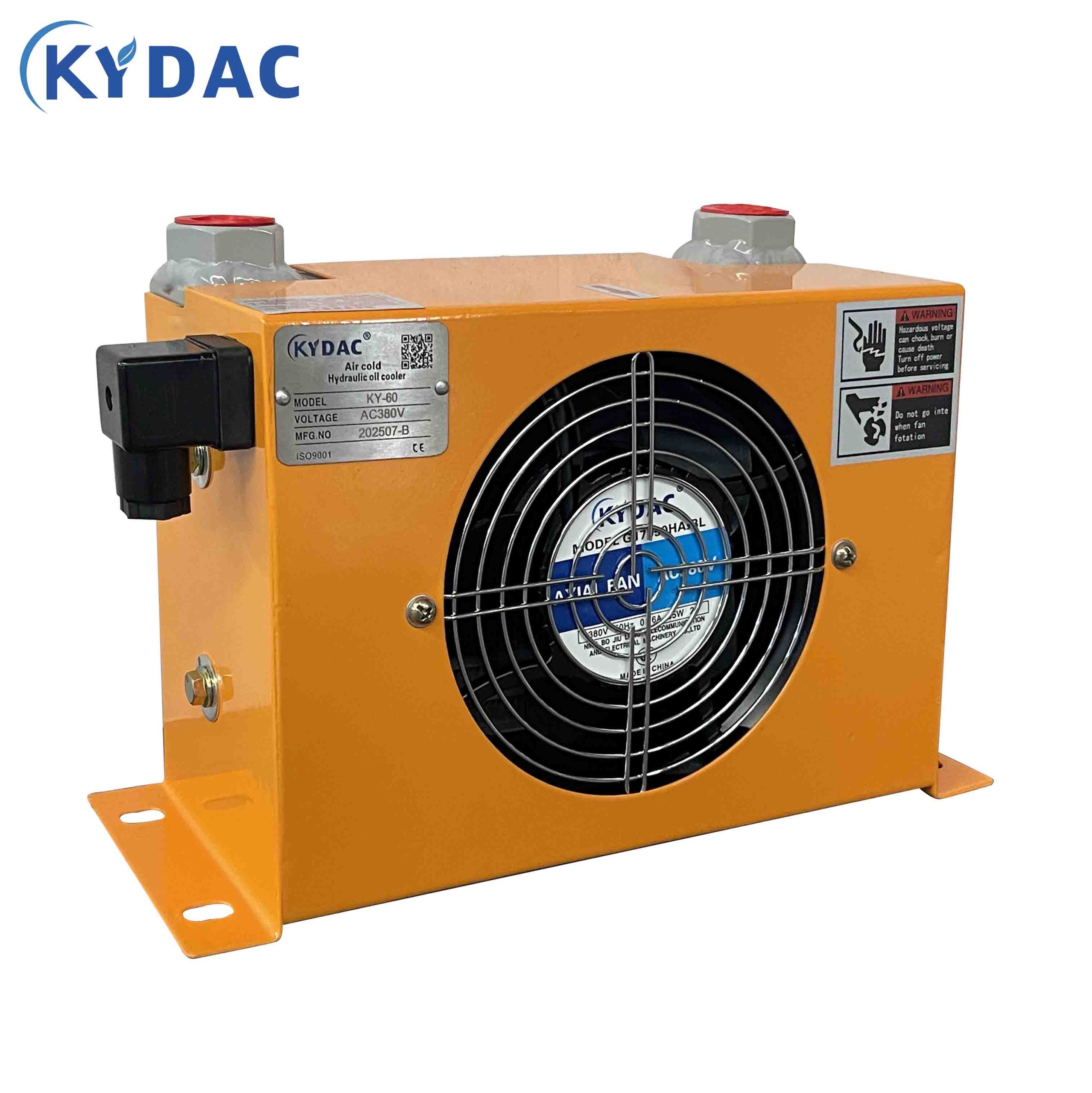
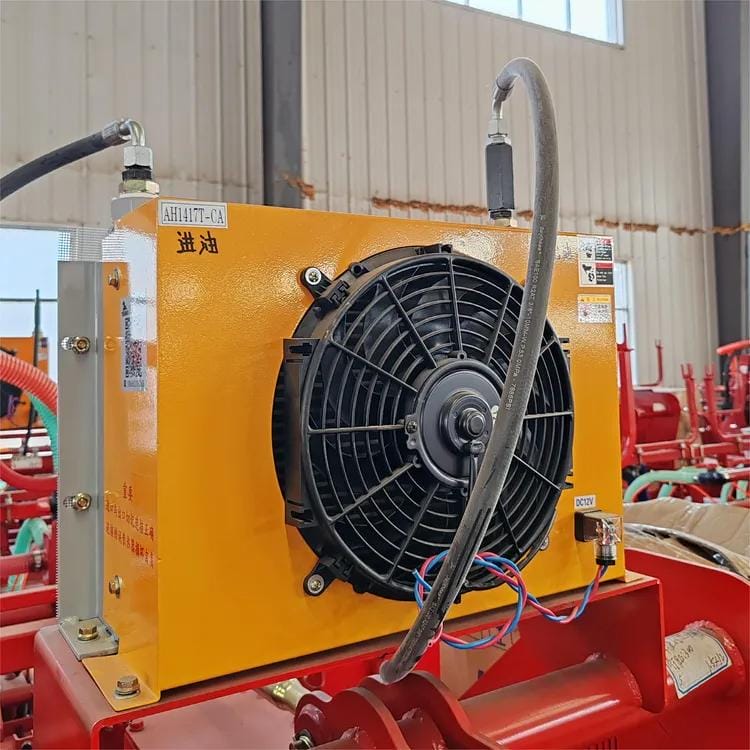
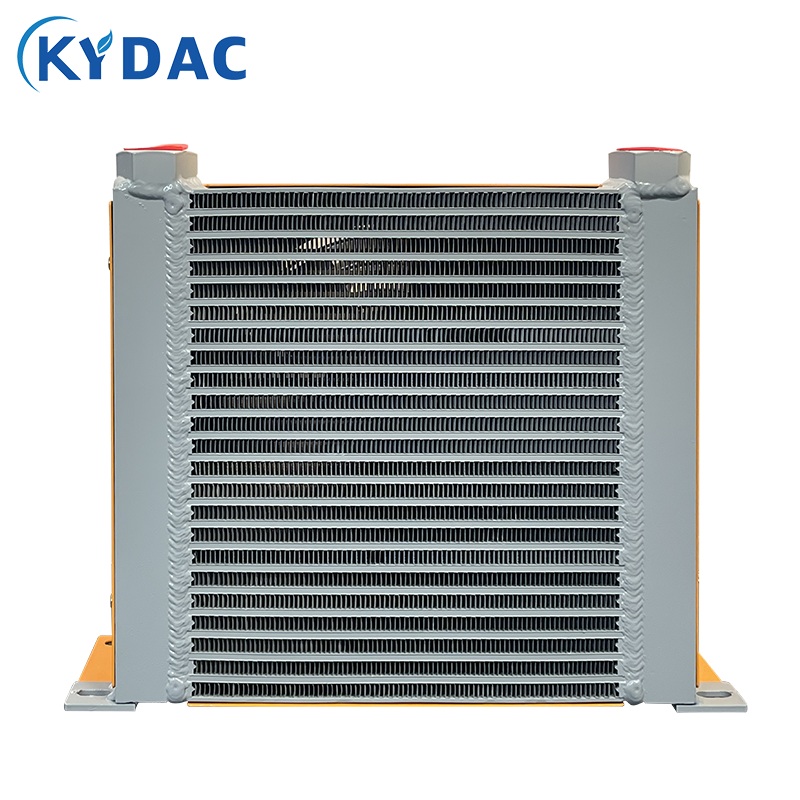
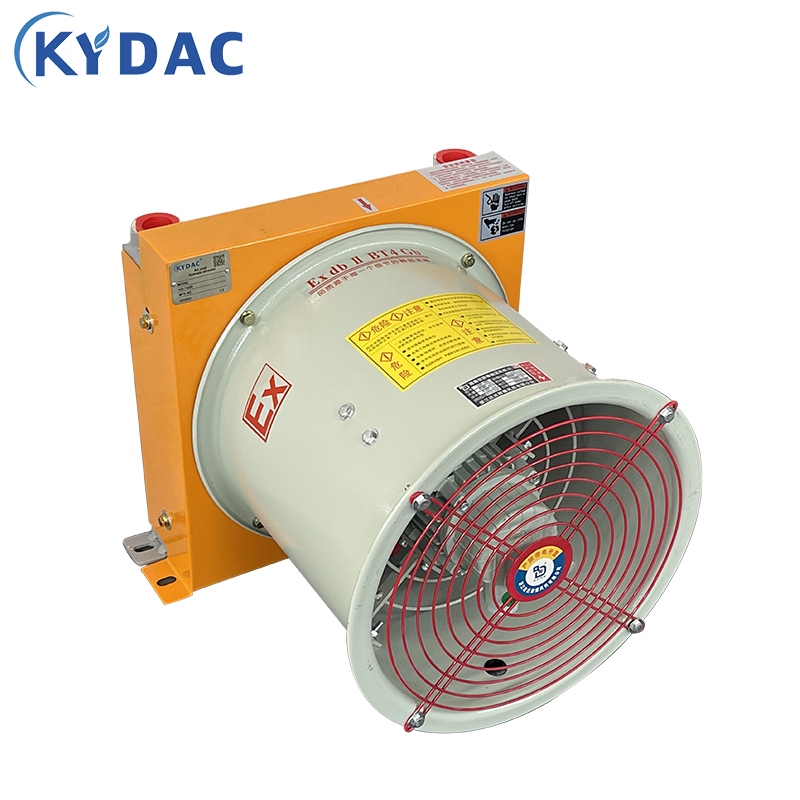
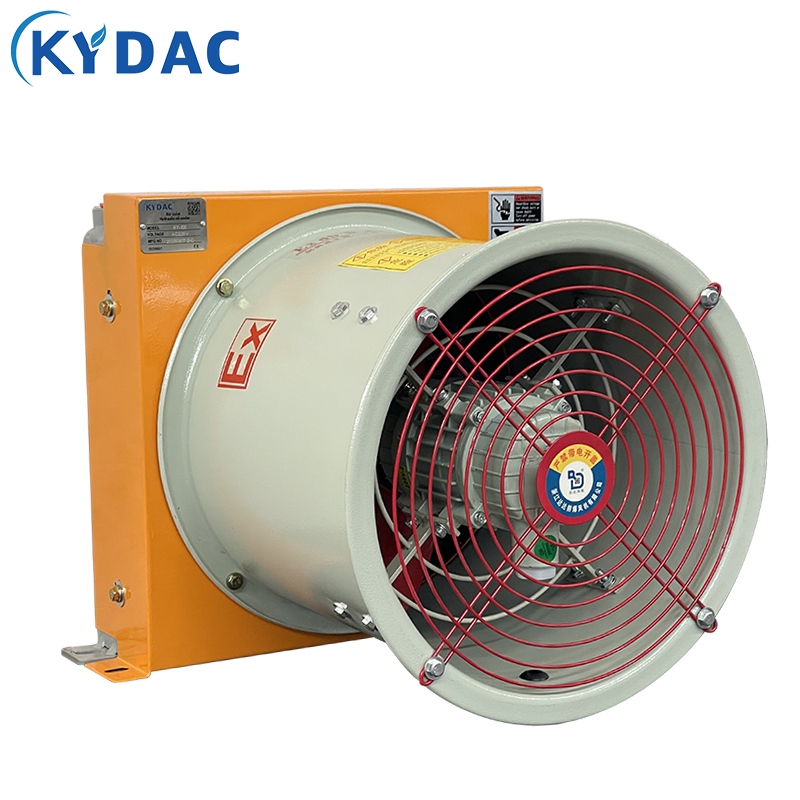
Dangerous environment with flammable and explosive gases, dust or vapors, mainly used for safely cooling equipment to ensure the continuous operation of industrial production. Typical applications: Reactor circulation oil systems, coal mining machines, tunnel boring machines, continuous casting machine hydraulic transmission systems.

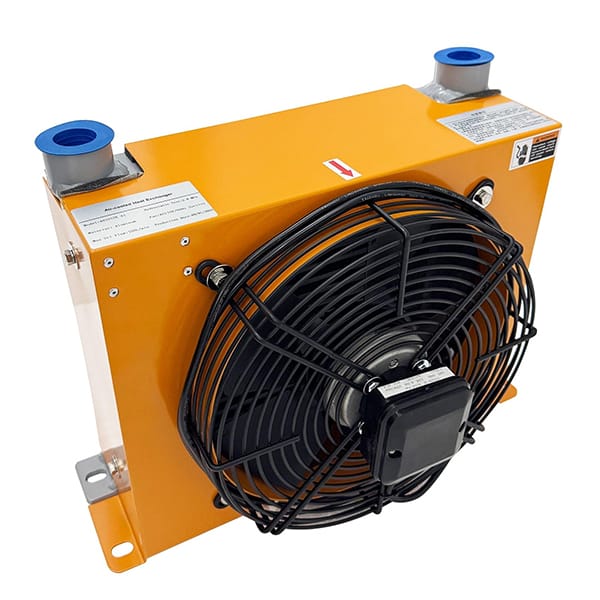
The aluminum alloy air cooler is equipped with an explosion-proof fan and conforms to explosion-proof standards.

The aluminum alloy material has strong thermal conductivity, corrosion resistance and durability, with high cooling efficiency, compatible with multiple installation methods, and can operate stably and with low noise in harsh working conditions such as flammable and explosive environments.

PRODUCTS

PRODUCTS

View More
XDF-MA60Q10

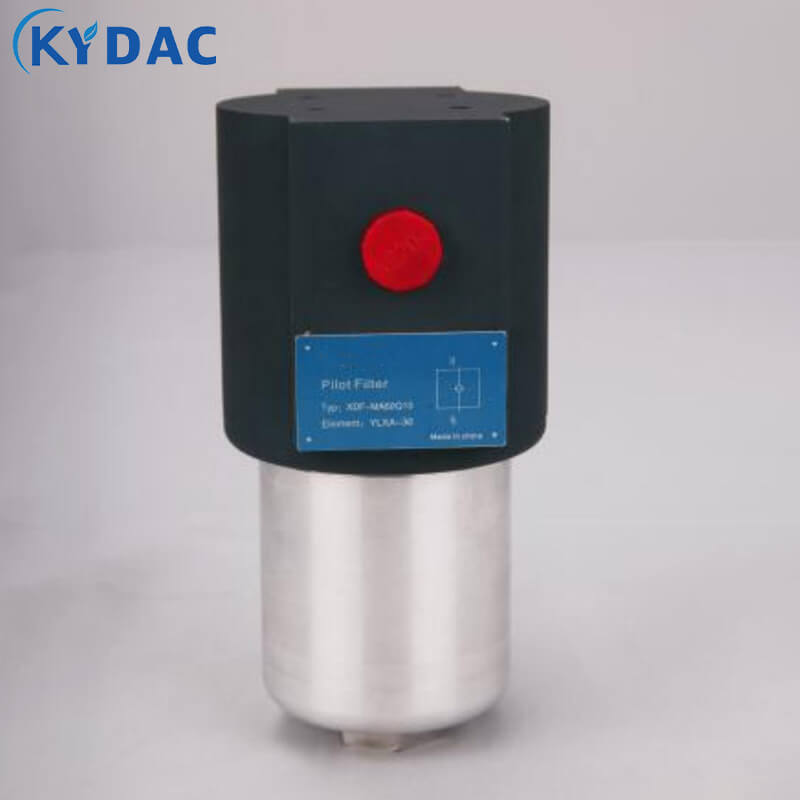
XDF-MA60Q10 PILOT FILTER

XDF-MA60Q10 filters are installed on the medium pressure line, which has high filtration accuracy, lowinitial pressure loss, high contamination retention capacity and multi-purpose etc. characteristics, canmeet the various requirements from the customers through assembling different accessories.
Learn More
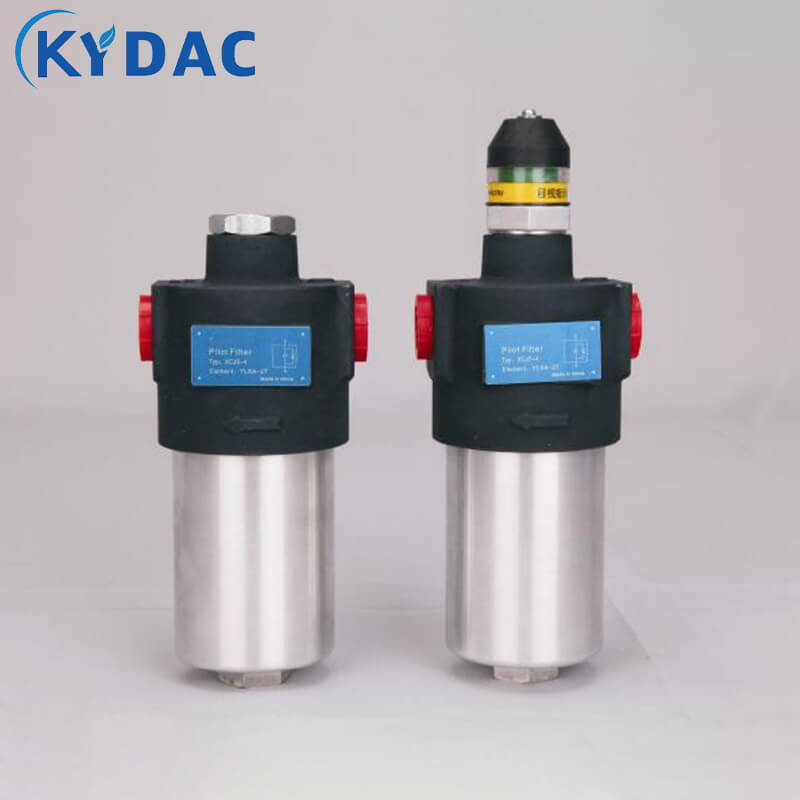
XCJS-4

XCJS-4 PILOT FILTER

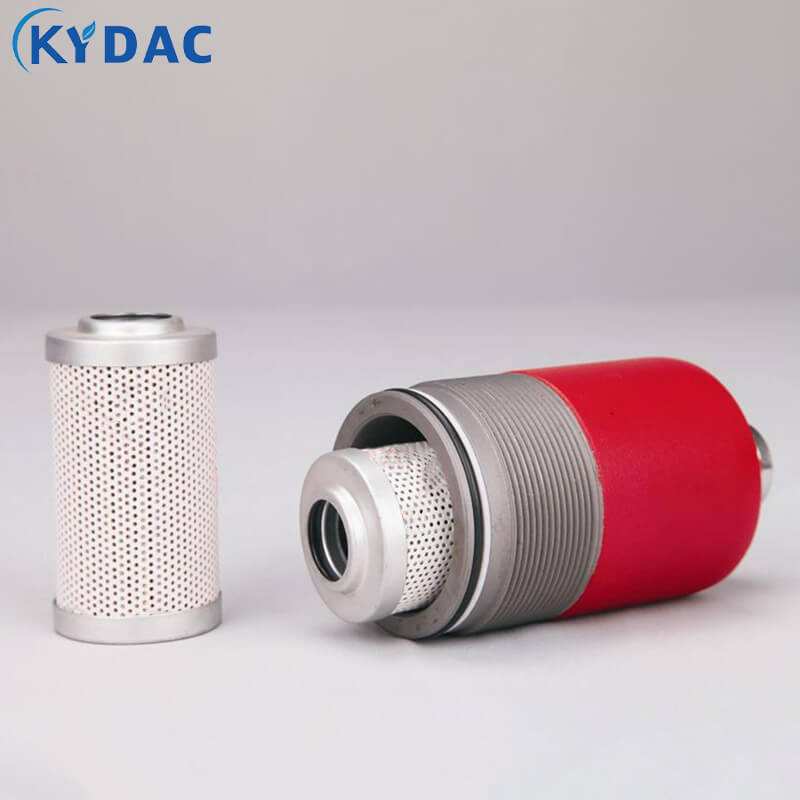
XCJS-4 series filters are installed in hydraulic system pressure line, with internalmagnetic filter element, which can effectively filter the metal particles of hydraulicoil, in order to provide clean hydraulic oil for hydraulic system.
Learn More
XDF

XDF VALVE BLOCK MOUNTED PRESSURE FILTER SERIES

This filter can be installed directly on the valve block, it makesthe system more compact, and the space is saved and has thesmall flow resistance, high pressure resistance etc.characteristics, which can meet the various applicationrequirements from the customers (Can replace Hydac valveblock mounted pressure filter).
Learn More
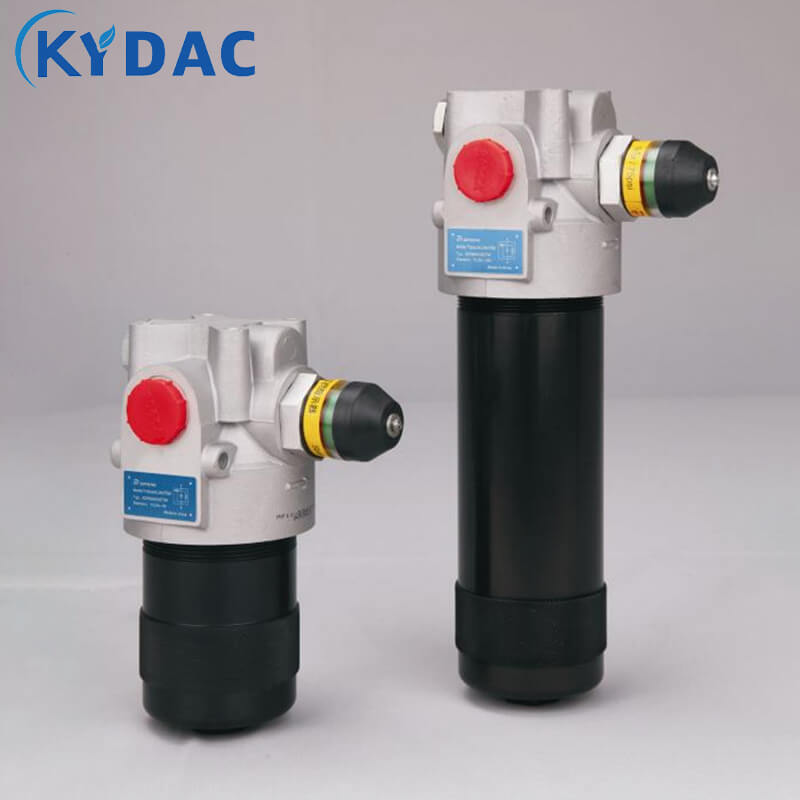
XDFM

XDFM MEDIUM PRESSURE LINE FILTER SERIES

XDFM series filters apply to the medium pressure line with bypass valve and cloggingindicator; this filter can effectively filter the impurity in the hydraulic oil and assure thenormal operation of hydraulic system.
Learn More
News

News

View More

28/ August

Hydraulic Air Cooler: Efficient Cooling Solutions for Hydraulic Systems

High-Efficiency Hydraulic Air Coolers for Reliable Oil Temperature Control Heat management is essential for the reliable operation of hydraulic systems. During continuous operation, hydraulic pumps, motors, valves, and other components generate heat. If this heat is not effectively removed, hydraulic oil temperature can rise and affect system performance. A hydraulic air cooler provides an efficient solution by transferring heat from hydraulic oil to ambient air. With a compact structure, high-performance heat dissipation, and flexible installation, air-cooled hydraulic oil coolers are widely used in construction machinery, mobile equipment, industrial hydraulic systems, and other demanding applications. Our air cooler range includes Independent Circulation Series, Motor Series, oil cooler assemblies for concrete mixers, explosion-proof products, and aluminum alloy air cooler series, providing different configurations for different hydraulic cooling requirements. What Is a Hydraulic Air Cooler? A hydraulic air cooler is a heat exchanger that uses air as the cooling medium to remove heat from hydraulic oil. The basic cooling process is straightforward: Hot Hydraulic Oil → Heat Exchanger → Heat Transfer → Forced Airflow → Cooled Hydraulic Oil A fan drives air through the heat dissipation structure, allowing heat from the hydraulic oil to transfer into the surrounding air. The air cooler product range on our website emphasizes high-performance heat sinks, compact construction, and efficient heat dissipation. The aluminum alloy series uses heat dissipation fins to increase the heat transfer area and accelerate heat transfer. Why Choose an Air-Cooled Hydraulic Oil Cooler? For many hydraulic applications, an air-cooled design provides an efficient and practical approach to temperature management. 1. Efficient Heat Dissipation A properly designed heat sink and fin structure provides a large heat exchange surface. The KY700 and AH2590T series described on our product page use an aluminum alloy structure with heat dissipation fins designed to increase the heat dissipation area and improve heat transfer efficiency. This makes the air cooler suitable for hydraulic systems where effective heat removal is required during demanding operation. 2. Compact Design Installation space is often limited in construction machinery and mobile hydraulic equipment. Our air cooler product range includes compact designs intended to occupy relatively little installation space while providing effective heat dissipation. The Independent Circulation Series is specifically described as having a compact design suitable for most equipment. 3. Lightweight Aluminum Alloy Construction Aluminum alloy is used in selected air cooler series to achieve a combination of lightweight construction and efficient thermal exchange. The product information describes the aluminum alloy cooler as lightweight, shock-resistant, and capable of high thermal exchange efficiency. This construction can be particularly useful for mobile machinery where equipment weight and available installation space are important considerations. 4. Fan-Assisted Cooling The fan is a key component of an air-cooled hydraulic oil cooler. According to the product information, the core structure of the aluminum alloy air cooler includes the fan blades, wind cover, heat sink, motor fixing seat, and mesh cover. Different models are equipped with motors with different power, current, and protection levels according to their oil flow and heat dissipation requirements. This configuration allows the cooler to provide forced airflow across the heat exchange surface. Hydraulic Air Cooler Product Series Our hydraulic air cooler range covers several application-oriented configurations. Independent Circulation Series The Independent Circulation Series is designed with a high-performance heat sink and hydraulic motor. Its compact structure is intended for applications in complex engineering machinery where long-term operation and efficient heat dissipation are required. Key characteristics: Independent circulation design High-performance heat sink Hydraulic motor drive Compact structure Suitable for engineering machinery Motor Series The Motor Series is specially designed for construction machinery. It combines a high-performance heat sink with a hydraulic motor and is designed for long-term operation in complex engineering machinery applications. This makes it a suitable option for equipment requiring compact hydraulic cooling and effective heat dissipation. Oil Cooler Assemblies for Concrete Mixers The oil cooler assembly for concrete mixers integrates several components into one cooling assembly. According to the product information, the assembly integrates: Cooler Oil tank Fan Air guide cover Protective net Temperature switch Filter The oil tank and radiator are integrated, while the filter is connected to the oil tank through a flange. This integrated configuration can simplify equipment integration and provide a complete cooling solution for concrete mixer applications. Explosion-Proof Hydraulic Air Cooler Solutions Certain industrial environments involve flammable or explosive gases, dust, or vapors and require specialized equipment configurations. Our product range includes explosion-proof cooling products designed for dangerous environments. The listed applications include: Reactor circulation oil systems Coal mining machinery Tunnel boring machines Continuous casting machine hydraulic transmission systems These products are intended to support safe equipment cooling and continuous industrial operation in applications with specific environmental requirements. Important: Explosion-proof equipment should always be selected according to the actual hazardous-area classification, applicable standards, electrical requirements, and operating conditions of the installation. Hydraulic Air Cooler Motor Options The motor is an important part of a fan-cooled hydraulic oil cooler because it determines how the fan generates airflow. The product range supports several electrical configurations, including: AC 220 V / 50 Hz AC 380 V / 50 Hz DC 12 V DC 24 V Different cooler models use motors with different power, current, and protection levels to match their oil flow and heat dissipation requirements. For equipment selection, the motor voltage, frequency, power, protection requirements, oil flow, and working environment should be confirmed before ordering. Hydraulic Air Cooler Applications Hydraulic air coolers are used across multiple types of hydraulic equipment. Construction Machinery Construction machinery can experience high hydraulic loads and extended working cycles. Typical applications include: Excavators Construction machinery Concrete mixers Tunnel boring equipment Other engineering machinery The company’s product range specifically identifies construction machinery and concrete mixer applications for several air cooler series. Industrial Hydraulic Equipment Air-cooled hydraulic oil coolers can also be used in industrial hydraulic applications where oil temperature needs to be controlled. Examples include: Hydraulic transmission systems Reactor circulation oil systems Continuous casting equipment Industrial hydraulic systems For specialized industrial environments, cooler selection should consider operating conditions and applicable safety requirements. How to Select the Right Hydraulic Air Cooler Selecting a hydraulic air cooler requires more than simply choosing the largest model. Before selecting a product, consider the following parameters: Hydraulic Oil Flow The cooler should be compatible with the hydraulic oil flow required by the system. Heat Dissipation Requirement The required cooling capacity depends on the amount of heat generated by the hydraulic system and the expected operating conditions. Motor Configuration Check whether the equipment requires: AC 220 V AC 380 V DC 12 V DC 24 V The correct motor configuration should be confirmed according to the selected model. Installation Space Consider: Cooler dimensions Mounting location Oil connections Air inlet and outlet Maintenance access Operating Environment For construction, mining, outdoor, or other demanding environments, environmental conditions should be considered when selecting the appropriate cooler configuration. Hydraulic Air Cooler Maintenance Regular inspection helps maintain the cooling system in good working condition. Recommended checks include: Clean the Heat Dissipation Surface Dust and debris can accumulate on the fins and restrict airflow. Keeping the heat exchange surface clean helps maintain airflow and heat transfer. Inspect the Fan and Motor Check for abnormal noise, vibration, or other signs of motor or fan problems. Check Hydraulic Connections Inspect connections and mounting points for signs of leakage or looseness. Monitor Hydraulic Oil Temperature Changes in oil temperature can provide useful information about hydraulic system operation and cooler performance. For specific products, maintenance procedures should follow the manufacturer’s technical documentation. Customized Hydraulic Cooler Solutions Different hydraulic systems have different requirements. A professional supplier should therefore be able to help customers match the cooler to the actual application. We support application-focused product selection and customized solutions based on customer requirements. The company describes its approach as working with customers to understand the application, environmental challenges, and performance goals before recommending or customizing a solution. Potential customization and selection considerations include: Cooling requirements Product configuration Motor specifications Installation requirements Hydraulic circuit Operating environment Why Work With a Professional Hydraulic Cooler Supplier? A hydraulic cooler is an important component of the overall hydraulic system. Product quality, correct selection, and application compatibility all affect the final equipment performance. A professional supplier can support customers with: Product SelectionMatching cooler specifications to the hydraulic application. Technical SupportProviding application-oriented recommendations. Manufacturing QualityControlling materials and production quality. Customized SolutionsDeveloping solutions for specific equipment requirements. Global Supply SupportSupporting international customers with logistics and delivery coordination. The company’s website emphasizes factory-direct expertise, quality control, application-focused support, international logistics capabilities, and technical assistance for global customers. Conclusion A hydraulic air cooler is an important component for hydraulic oil temperature management. By using forced airflow and an efficient heat exchange structure, it provides a practical cooling solution for construction machinery, mobile equipment, industrial hydraulic systems, and other applications. Our product range includes Independent Circulation Series, Motor Series, concrete mixer oil cooler assemblies, explosion-proof products, and aluminum alloy air cooler series, allowing customers to select solutions according to different equipment and operating requirements. With compact designs, aluminum alloy options, multiple motor configurations, and application-focused technical support, we provide hydraulic cooling solutions for OEMs, distributors, and hydraulic system integrators worldwide. Looking for the right hydraulic air cooler for your equipment? Provide your hydraulic oil flow, operating conditions, motor voltage, installation requirements, and application information, and our technical team can help identify a suitable solution. FAQ: Hydraulic Air Cooler What is a hydraulic air cooler? A hydraulic air cooler is a heat exchanger that uses forced ambient airflow to remove heat from hydraulic oil. What industries use hydraulic air coolers? They are used in construction machinery, concrete mixers, industrial hydraulic equipment, mobile machinery, and specialized applications such as mining and tunnel boring equipment. What motor voltages are available? The product information lists AC 220 V/50 Hz, AC 380 V/50 Hz, DC 12 V, and DC 24 V configurations, with different motor specifications available for different cooler models. Are hydraulic air coolers suitable for concrete mixers? Yes. The product range includes dedicated oil cooler assemblies for concrete mixers, integrating the cooler, oil tank, fan, air guide cover, protective net, temperature switch, and filter. Can hydraulic air coolers be customized? Application-focused selection and customized solutions are available. The specific customization options should be confirmed according to the required cooling performance, hydraulic circuit, installation conditions, and selected product series.
Learn More
1

21/ August

Hydraulic Air Cooler: Efficient Hydraulic Oil Cooling Solutions for Industrial Equipment

Hydraulic Air Cooler Solutions for Reliable Temperature Control Hydraulic systems generate heat during operation. Pumps, motors, valves, actuators, and other hydraulic components continuously convert and transfer energy, while pressure losses and mechanical friction can increase oil temperature. When hydraulic oil operates at excessive temperatures for extended periods, system efficiency and component reliability can be affected. A properly selected hydraulic air cooler provides an effective way to remove excess heat and maintain a more stable operating temperature. A hydraulic air cooler, also called an air cooled hydraulic oil cooler, uses ambient air to dissipate heat from hydraulic oil. It is widely used in construction machinery, agricultural equipment, industrial hydraulic systems, mobile machinery, and other applications where reliable oil temperature control is required. What Is a Hydraulic Air Cooler? A hydraulic air cooler is a heat exchanger designed to transfer heat from hydraulic oil to surrounding air. During operation, hot hydraulic oil flows through the cooler’s heat exchange core. At the same time, a fan moves ambient air through the cooling surface. Heat is transferred from the hydraulic oil to the surrounding air, and the cooled oil is returned to the hydraulic circuit. The basic cooling process can be summarized as: Hot hydraulic oil → Cooler core → Heat transfer → Ambient air → Cooled hydraulic oil This continuous process helps control hydraulic oil temperature and supports stable system operation. Why Is Hydraulic Oil Cooling Important? Temperature management is an important part of hydraulic system design. Excessive oil temperature can influence oil viscosity, internal leakage, lubrication performance, and the service life of hydraulic components. For equipment operating under high loads or long working cycles, effective cooling can be particularly important. A suitable hydraulic oil cooler can help: Maintain a more stable oil temperature Reduce heat-related performance problems Protect hydraulic components Support consistent system efficiency Extend the service life of hydraulic equipment Reduce unnecessary maintenance caused by overheating For this reason, hydraulic cooling should be considered together with pump capacity, operating pressure, oil flow, ambient temperature, and the actual working cycle of the equipment. Key Features of Hydraulic Air Coolers Efficient Heat Dissipation The cooling core provides a large heat transfer surface, while the fan creates airflow across the cooling fins. The combination of heat exchange surface area and forced airflow allows the cooler to remove heat efficiently from hydraulic oil. For applications with continuous or high-load hydraulic operation, selecting an appropriately sized cooler is essential to achieving the required cooling performance. Compact Construction Space is often limited in mobile machinery and hydraulic power units. A compact hydraulic air cooler can provide effective cooling while helping equipment designers make better use of available installation space. This makes air-cooled hydraulic oil coolers suitable for applications where both cooling capacity and equipment dimensions need to be considered. Reliable Fan-Assisted Cooling The fan provides forced airflow through the heat exchanger core. Compared with relying only on natural airflow, fan-assisted cooling can provide more consistent heat dissipation when the equipment is operating at low vehicle speed or in environments where natural airflow is insufficient. Easy System Integration Hydraulic air coolers can be integrated into different hydraulic circuits according to system requirements. When selecting an installation configuration, engineers should consider: Oil flow direction Hydraulic pressure Mounting location Airflow direction Available space Maintenance accessibility Ambient operating conditions Correct installation helps the cooler achieve its intended performance. Hydraulic Air Cooler Applications Hydraulic air coolers are used across a wide range of equipment and industries. Construction Machinery Construction equipment can experience high hydraulic loads and long operating cycles. Hydraulic coolers can be used in: Excavators Wheel loaders Cranes Road construction machinery Concrete equipment Other engineering machinery Effective temperature control helps hydraulic systems maintain stable operation during demanding working conditions. Agricultural Machinery Agricultural equipment may operate continuously during planting, harvesting, and material handling operations. Hydraulic oil cooling solutions can be applied to: Tractors Harvesting machinery Agricultural loaders Agricultural hydraulic systems Specialized farming equipment Industrial Hydraulic Systems Industrial equipment often requires stable hydraulic performance over extended operating periods. Hydraulic air coolers can be integrated into: Hydraulic power units Industrial machinery Material handling equipment Automated production equipment Hydraulic test systems Mobile Hydraulic Equipment For mobile machinery, compact dimensions and reliable airflow are important considerations. Hydraulic air coolers can support cooling requirements in: Special-purpose vehicles Mobile hydraulic equipment Transportation machinery Material handling systems How to Select the Right Hydraulic Air Cooler Choosing a hydraulic cooler should be based on the actual operating conditions rather than product dimensions alone. 1. Determine the Required Cooling Capacity The required cooling capacity depends on factors such as: Hydraulic system power Heat generation Oil flow rate Operating temperature Desired oil temperature Ambient temperature A cooler that is too small may not provide sufficient heat dissipation, while unnecessary oversizing can increase equipment cost and installation requirements. 2. Check Hydraulic Oil Flow Oil flow is an important parameter when selecting a hydraulic oil cooler. The cooler should be matched to the actual hydraulic circuit and operating flow range to ensure appropriate heat transfer performance without creating unsuitable pressure losses. 3. Consider Operating Pressure The cooler must be suitable for the pressure and circuit configuration in which it will be installed. Before selecting a model, engineers should verify: Maximum operating pressure Peak pressure conditions Oil flow Circuit type Connection specifications 4. Evaluate Ambient Conditions Environmental conditions can have a significant effect on air-cooled heat exchanger performance. Important factors include: Ambient temperature Dust Humidity Outdoor exposure Airflow availability Continuous operating time For machinery operating in dusty environments, cooler maintenance and cleaning should also be considered during system design. 5. Consider Installation Space Before choosing a hydraulic air cooler, confirm the available space and required mounting configuration. Consider: Overall dimensions Mounting holes Oil inlet and outlet positions Fan orientation Air intake and exhaust space Accessibility for maintenance Hydraulic Air Cooler Maintenance Regular maintenance can help maintain cooling performance throughout the equipment lifecycle. The maintenance schedule should be adapted to the actual operating environment, but common checks include: Clean the Cooling Surface Dust, dirt, and debris accumulated on the cooling fins can restrict airflow and reduce heat transfer efficiency. Inspect the Fan Check the fan, motor, and related components for abnormal noise, vibration, or operating problems. Check Connections Inspect oil connections and mounting points for signs of leakage, looseness, or damage. Monitor Oil Temperature Monitoring hydraulic oil temperature can help identify potential cooling problems before they affect system operation. Customized Hydraulic Air Cooler Solutions Different machines have different cooling requirements. Standard configurations may not always provide the most suitable solution for specialized hydraulic systems. Customized hydraulic cooler solutions can be developed according to application requirements, including: Cooling capacity Product dimensions Mounting configuration Port arrangement Fan configuration System integration requirements A professional engineering and manufacturing process allows the cooler to be designed around the actual equipment rather than forcing the equipment to adapt to an unsuitable cooling solution. Why Choose a Professional Hydraulic Cooler Supplier? For hydraulic equipment manufacturers and system integrators, choosing a supplier with hydraulic application knowledge can simplify product selection and development. A reliable hydraulic cooler supplier should be able to provide: Product selection support Technical communication Customized solutions Consistent manufacturing quality Product inspection Packaging and delivery support OEM manufacturing services For customers developing new hydraulic equipment, early communication with the cooler manufacturer can also help optimize installation space and cooling performance during the design stage. Hydraulic Air Cooler Solutions for Global Applications A hydraulic air cooler is more than a heat exchanger—it is an important part of hydraulic system temperature management. By selecting the appropriate cooling capacity, airflow configuration, installation method, and product specifications, manufacturers can build hydraulic systems with more stable operating conditions and improved reliability. Our hydraulic cooling solutions are designed to support customers across construction machinery, agricultural machinery, industrial equipment, mobile hydraulics, and other applications. From product selection and customized design to manufacturing and delivery, we provide hydraulic cooling solutions focused on application requirements and long-term performance. Conclusion Hydraulic air coolers provide an efficient and practical method for removing excess heat from hydraulic oil. Their combination of forced airflow, effective heat exchange, compact construction, and flexible installation makes them suitable for a broad range of hydraulic applications. When selecting a hydraulic oil cooler, it is important to evaluate cooling capacity, oil flow, operating pressure, ambient temperature, installation space, and actual working conditions. With the right hydraulic cooler and proper system design, hydraulic equipment can maintain more stable oil temperatures and operate reliably under demanding conditions. Looking for a hydraulic air cooler for your equipment? Contact our technical team with your oil flow, operating temperature, pressure, and installation requirements for a suitable cooling solution. FAQ What is a hydraulic air cooler? A hydraulic air cooler is a heat exchanger that removes heat from hydraulic oil by transferring it to ambient air, usually with the assistance of a fan. What is the difference between a hydraulic air cooler and a water cooler? A hydraulic air cooler uses ambient air as the cooling medium, while a hydraulic water cooler uses water or another liquid cooling medium to remove heat. The appropriate solution depends on the equipment design, available cooling resources, operating environment, and required cooling performance. Where are hydraulic air coolers used? They are commonly used in construction machinery, agricultural machinery, industrial hydraulic systems, mobile equipment, hydraulic power units, and other machinery requiring hydraulic oil temperature control. How do I choose a hydraulic oil cooler? Key selection parameters include cooling capacity, oil flow rate, operating pressure, hydraulic oil temperature, ambient temperature, installation space, and airflow conditions. Can hydraulic air coolers be customized? Yes. Depending on the application and manufacturer’s capabilities, hydraulic air coolers can be customized or configured according to cooling capacity, dimensions, mounting requirements, connections, fan configuration, and other system requirements.
Learn More
5b8dbdd420e5f45f755bdf508c988c89

14/ August

Hydraulic Air Cooler: Efficient Hydraulic Oil Cooling Solutions for Industrial Equipment

Hydraulic Air Cooler Solutions for Reliable Temperature Control Hydraulic systems generate heat during operation. Pumps, motors, valves, actuators, and other hydraulic components continuously convert and transfer energy, while pressure losses and mechanical friction can increase oil temperature. When hydraulic oil operates at excessive temperatures for extended periods, system efficiency and component reliability can be affected. A properly selected hydraulic air cooler provides an effective way to remove excess heat and maintain a more stable operating temperature. A hydraulic air cooler, also called an air cooled hydraulic oil cooler, uses ambient air to dissipate heat from hydraulic oil. It is widely used in construction machinery, agricultural equipment, industrial hydraulic systems, mobile machinery, and other applications where reliable oil temperature control is required. What Is a Hydraulic Air Cooler? A hydraulic air cooler is a heat exchanger designed to transfer heat from hydraulic oil to surrounding air. During operation, hot hydraulic oil flows through the cooler’s heat exchange core. At the same time, a fan moves ambient air through the cooling surface. Heat is transferred from the hydraulic oil to the surrounding air, and the cooled oil is returned to the hydraulic circuit. The basic cooling process can be summarized as: Hot hydraulic oil → Cooler core → Heat transfer → Ambient air → Cooled hydraulic oil This continuous process helps control hydraulic oil temperature and supports stable system operation. Why Is Hydraulic Oil Cooling Important? Temperature management is an important part of hydraulic system design. Excessive oil temperature can influence oil viscosity, internal leakage, lubrication performance, and the service life of hydraulic components. For equipment operating under high loads or long working cycles, effective cooling can be particularly important. A suitable hydraulic oil cooler can help: Maintain a more stable oil temperature Reduce heat-related performance problems Protect hydraulic components Support consistent system efficiency Extend the service life of hydraulic equipment Reduce unnecessary maintenance caused by overheating For this reason, hydraulic cooling should be considered together with pump capacity, operating pressure, oil flow, ambient temperature, and the actual working cycle of the equipment. Key Features of Hydraulic Air Coolers Efficient Heat Dissipation The cooling core provides a large heat transfer surface, while the fan creates airflow across the cooling fins. The combination of heat exchange surface area and forced airflow allows the cooler to remove heat efficiently from hydraulic oil. For applications with continuous or high-load hydraulic operation, selecting an appropriately sized cooler is essential to achieving the required cooling performance. Compact Construction Space is often limited in mobile machinery and hydraulic power units. A compact hydraulic air cooler can provide effective cooling while helping equipment designers make better use of available installation space. This makes air-cooled hydraulic oil coolers suitable for applications where both cooling capacity and equipment dimensions need to be considered. Reliable Fan-Assisted Cooling The fan provides forced airflow through the heat exchanger core. Compared with relying only on natural airflow, fan-assisted cooling can provide more consistent heat dissipation when the equipment is operating at low vehicle speed or in environments where natural airflow is insufficient. Easy System Integration Hydraulic air coolers can be integrated into different hydraulic circuits according to system requirements. When selecting an installation configuration, engineers should consider: Oil flow direction Hydraulic pressure Mounting location Airflow direction Available space Maintenance accessibility Ambient operating conditions Correct installation helps the cooler achieve its intended performance. Hydraulic Air Cooler Applications Hydraulic air coolers are used across a wide range of equipment and industries. Construction Machinery Construction equipment can experience high hydraulic loads and long operating cycles. Hydraulic coolers can be used in: Excavators Wheel loaders Cranes Road construction machinery Concrete equipment Other engineering machinery Effective temperature control helps hydraulic systems maintain stable operation during demanding working conditions. Agricultural Machinery Agricultural equipment may operate continuously during planting, harvesting, and material handling operations. Hydraulic oil cooling solutions can be applied to: Tractors Harvesting machinery Agricultural loaders Agricultural hydraulic systems Specialized farming equipment Industrial Hydraulic Systems Industrial equipment often requires stable hydraulic performance over extended operating periods. Hydraulic air coolers can be integrated into: Hydraulic power units Industrial machinery Material handling equipment Automated production equipment Hydraulic test systems Mobile Hydraulic Equipment For mobile machinery, compact dimensions and reliable airflow are important considerations. Hydraulic air coolers can support cooling requirements in: Special-purpose vehicles Mobile hydraulic equipment Transportation machinery Material handling systems How to Select the Right Hydraulic Air Cooler Choosing a hydraulic cooler should be based on the actual operating conditions rather than product dimensions alone. 1. Determine the Required Cooling Capacity The required cooling capacity depends on factors such as: Hydraulic system power Heat generation Oil flow rate Operating temperature Desired oil temperature Ambient temperature A cooler that is too small may not provide sufficient heat dissipation, while unnecessary oversizing can increase equipment cost and installation requirements. 2. Check Hydraulic Oil Flow Oil flow is an important parameter when selecting a hydraulic oil cooler. The cooler should be matched to the actual hydraulic circuit and operating flow range to ensure appropriate heat transfer performance without creating unsuitable pressure losses. 3. Consider Operating Pressure The cooler must be suitable for the pressure and circuit configuration in which it will be installed. Before selecting a model, engineers should verify: Maximum operating pressure Peak pressure conditions Oil flow Circuit type Connection specifications 4. Evaluate Ambient Conditions Environmental conditions can have a significant effect on air-cooled heat exchanger performance. Important factors include: Ambient temperature Dust Humidity Outdoor exposure Airflow availability Continuous operating time For machinery operating in dusty environments, cooler maintenance and cleaning should also be considered during system design. 5. Consider Installation Space Before choosing a hydraulic air cooler, confirm the available space and required mounting configuration. Consider: Overall dimensions Mounting holes Oil inlet and outlet positions Fan orientation Air intake and exhaust space Accessibility for maintenance Hydraulic Air Cooler Maintenance Regular maintenance can help maintain cooling performance throughout the equipment lifecycle. The maintenance schedule should be adapted to the actual operating environment, but common checks include: Clean the Cooling Surface Dust, dirt, and debris accumulated on the cooling fins can restrict airflow and reduce heat transfer efficiency. Inspect the Fan Check the fan, motor, and related components for abnormal noise, vibration, or operating problems. Check Connections Inspect oil connections and mounting points for signs of leakage, looseness, or damage. Monitor Oil Temperature Monitoring hydraulic oil temperature can help identify potential cooling problems before they affect system operation. Customized Hydraulic Air Cooler Solutions Different machines have different cooling requirements. Standard configurations may not always provide the most suitable solution for specialized hydraulic systems. Customized hydraulic cooler solutions can be developed according to application requirements, including: Cooling capacity Product dimensions Mounting configuration Port arrangement Fan configuration System integration requirements A professional engineering and manufacturing process allows the cooler to be designed around the actual equipment rather than forcing the equipment to adapt to an unsuitable cooling solution. Why Choose a Professional Hydraulic Cooler Supplier? For hydraulic equipment manufacturers and system integrators, choosing a supplier with hydraulic application knowledge can simplify product selection and development. A reliable hydraulic cooler supplier should be able to provide: Product selection support Technical communication Customized solutions Consistent manufacturing quality Product inspection Packaging and delivery support OEM manufacturing services For customers developing new hydraulic equipment, early communication with the cooler manufacturer can also help optimize installation space and cooling performance during the design stage. Hydraulic Air Cooler Solutions for Global Applications A hydraulic air cooler is more than a heat exchanger—it is an important part of hydraulic system temperature management. By selecting the appropriate cooling capacity, airflow configuration, installation method, and product specifications, manufacturers can build hydraulic systems with more stable operating conditions and improved reliability. Our hydraulic cooling solutions are designed to support customers across construction machinery, agricultural machinery, industrial equipment, mobile hydraulics, and other applications. From product selection and customized design to manufacturing and delivery, we provide hydraulic cooling solutions focused on application requirements and long-term performance. Conclusion Hydraulic air coolers provide an efficient and practical method for removing excess heat from hydraulic oil. Their combination of forced airflow, effective heat exchange, compact construction, and flexible installation makes them suitable for a broad range of hydraulic applications. When selecting a hydraulic oil cooler, it is important to evaluate cooling capacity, oil flow, operating pressure, ambient temperature, installation space, and actual working conditions. With the right hydraulic cooler and proper system design, hydraulic equipment can maintain more stable oil temperatures and operate reliably under demanding conditions. Looking for a hydraulic air cooler for your equipment? Contact our technical team with your oil flow, operating temperature, pressure, and installation requirements for a suitable cooling solution. FAQ What is a hydraulic air cooler? A hydraulic air cooler is a heat exchanger that removes heat from hydraulic oil by transferring it to ambient air, usually with the assistance of a fan. What is the difference between a hydraulic air cooler and a water cooler? A hydraulic air cooler uses ambient air as the cooling medium, while a hydraulic water cooler uses water or another liquid cooling medium to remove heat. The appropriate solution depends on the equipment design, available cooling resources, operating environment, and required cooling performance. Where are hydraulic air coolers used? They are commonly used in construction machinery, agricultural machinery, industrial hydraulic systems, mobile equipment, hydraulic power units, and other machinery requiring hydraulic oil temperature control. How do I choose a hydraulic oil cooler? Key selection parameters include cooling capacity, oil flow rate, operating pressure, hydraulic oil temperature, ambient temperature, installation space, and airflow conditions. Can hydraulic air coolers be customized? Yes. Depending on the application and manufacturer’s capabilities, hydraulic air coolers can be customized or configured according to cooling capacity, dimensions, mounting requirements, connections, fan configuration, and other system requirements.
Learn More
2

7/ August

High-Efficiency Hydraulic Air Cooler Solution for Reliable Temperature Control

Advanced Hydraulic Air Cooler Solutions for Hydraulic System Cooling Hydraulic systems generate heat during operation due to energy conversion, friction, and pressure losses. Without effective temperature control, excessive heat can reduce hydraulic oil performance, accelerate component wear, and affect the overall reliability of the equipment. A hydraulic air cooler is an essential heat exchange component designed to remove excess heat from hydraulic oil by using ambient air as the cooling medium. It helps maintain stable oil temperature, improve system efficiency, and extend the service life of hydraulic components. As a professional hydraulic component supplier, we provide reliable hydraulic oil cooling solutions for a wide range of industrial and mobile hydraulic applications, including construction machinery, agricultural equipment, industrial systems, and special vehicles. What Is a Hydraulic Air Cooler? A hydraulic air cooler, also known as a hydraulic oil air cooler, is a heat exchanger that transfers heat from hydraulic oil to surrounding air through a cooling core and fan system. During hydraulic system operation: Hydraulic oil absorbs heat generated by pumps, valves, motors, and actuators. Hot oil flows through the cooler core. The fan forces ambient air through the cooling fins. Heat is transferred from the oil to the air. Cooled oil returns to the hydraulic system. This continuous cooling process helps hydraulic systems maintain proper operating temperatures under demanding working conditions. Why Hydraulic Air Cooling Is Important Temperature control is critical for hydraulic equipment performance. When hydraulic oil temperature becomes too high, several problems may occur: Reduced oil viscosity Increased internal leakage Faster component wear Lower system efficiency Shortened hydraulic component lifespan A properly selected hydraulic air cooler helps: ✔ Maintain stable oil temperature✔ Improve hydraulic system efficiency✔ Protect pumps, valves, and motors✔ Reduce maintenance costs✔ Increase equipment reliability High-Performance Hydraulic Air Cooler Design Our hydraulic air coolers are designed to meet the requirements of modern hydraulic systems with a focus on efficiency, durability, and easy installation. Efficient Heat Dissipation The optimized cooling structure improves heat transfer efficiency and helps remove heat quickly from hydraulic oil. Key advantages include: High cooling performance Stable heat exchange efficiency Reliable operation under continuous working conditions Compact and Space-Saving Structure Modern machinery requires components that provide excellent performance while minimizing installation space. Hydraulic air coolers feature: Compact design Flexible mounting options Easy system integration This makes them suitable for equipment where installation space is limited. Durable Construction Hydraulic systems often operate in harsh environments, including: Construction sites Outdoor machinery Industrial production environments Reliable materials and manufacturing processes help ensure: Long service life Resistance to vibration Stable performance in demanding conditions Applications of Hydraulic Air Coolers Hydraulic air coolers are widely used in various industries where hydraulic systems require efficient temperature management. Construction Machinery Applications include: Excavators Loaders Cranes Concrete machinery Road construction equipment Hydraulic coolers help maintain stable operation during long working cycles and heavy loads. Agricultural Machinery Used in: Tractors Harvesting machines Agricultural automation equipment Reliable cooling helps agricultural equipment operate efficiently during extended outdoor operations. Industrial Hydraulic Systems Suitable for: Hydraulic power units Manufacturing equipment Automation machinery Material handling systems Hydraulic air coolers improve system reliability and reduce heat-related failures. Mobile Hydraulic Equipment Common applications include: Special vehicles Transportation equipment Mobile hydraulic platforms Compact cooling solutions provide flexibility for mobile equipment design. How to Choose the Right Hydraulic Air Cooler? Selecting the correct hydraulic cooler is important for achieving optimal cooling performance. Key factors include: 1. Cooling Capacity The cooler should match the heat generated by the hydraulic system. Consider: Hydraulic system power Oil flow rate Operating temperature Working environment 2. Operating Pressure and Oil Compatibility The cooler must be suitable for: Hydraulic oil type System pressure requirements Operating conditions 3. Installation Requirements Important considerations include: Available installation space Mounting position Airflow direction Maintenance accessibility 4. Environmental Conditions Different working environments may require different cooling solutions. Factors include: Ambient temperature Dust conditions Outdoor exposure Continuous operation requirements Customized Hydraulic Cooler Solutions Different applications have different cooling requirements. Therefore, customized solutions are often necessary for specialized equipment. We provide customized hydraulic air cooler solutions based on customer needs, including: Cooling capacity adjustment Installation configuration Structural optimization Product specification customization Our engineering team works with customers to develop hydraulic cooling solutions that meet specific application requirements. Quality Control and Manufacturing Reliability Reliable performance starts with strict quality management. During production, hydraulic air coolers undergo professional quality control processes, including: Material inspection Manufacturing process monitoring Product performance testing Final quality verification This ensures each hydraulic cooler provides: ✔ Stable cooling performance✔ Long-term operating reliability✔ Consistent product quality Advantages of Our Hydraulic Air Cooler Solutions High Cooling Efficiency Optimized heat exchange design provides effective temperature control for hydraulic systems. Compact Design Space-saving structures simplify installation and system integration. Reliable Performance Durable construction supports continuous operation in demanding environments. Customized Solutions Flexible configurations meet different equipment requirements. Professional Support Technical assistance helps customers select and apply suitable cooling solutions. Reliable Hydraulic Cooler Partner for Global Customers A reliable cooling system is essential for maintaining hydraulic equipment performance. With professional hydraulic expertise, manufacturing capabilities, and customized solution services, we provide dependable hydraulic air cooler solutions for customers worldwide. From product selection and technical support to customized manufacturing and delivery, we help customers achieve efficient, stable, and long-lasting hydraulic system operation. Conclusion Hydraulic air coolers are critical components for maintaining hydraulic system temperature stability and improving equipment reliability. By providing efficient heat dissipation, compact design, durable construction, and customized solutions, our hydraulic oil coolers support a wide range of industrial and mobile hydraulic applications. As a trusted hydraulic cooler manufacturer, we are committed to delivering high-quality cooling solutions that help customers improve productivity, reduce maintenance costs, and maximize hydraulic system performance.
Learn More
4
What We Do

Services we Offer

No matter what your automotive needs may be, we’re here to help. Contact us today to learn more about our
services and how we can assist you with all of your needs.
Serve3

The Pulse of Circulation: The Service Art of the Water Cooler

The heart of the industrial world beats at a constant temperature. The core force that maintains this cool and guards efficiency is the Water Cooler. Its service philosophy is hidden within the cycle of water—a precise art of using flexibility to overcome rigidity, and a systemic wisdom of thermal management.   1. Profound Service: From “Ancillary” to “Cornerstone” Traditionally viewed as ancillary to main equipment, the water cooler has transformed into critical infrastructure in modern industrial logic. Its service represents a qualitative shift from passive cooling to active thermal management:   Guarding Precision Beside the lens of a laser cutter, within the core chamber of semiconductor etching equipment, a fluctuation of even one degree Celsius can drastically impact yield rates. The water cooler acts like a calm tuner, using a constant flow of chilled water to provide meticulous heat management for precision components. It safeguards not merely against “burn-out,” but the “absolute stability” that determines a product’s fate.   Taming Intensity Where traditional air cooling falters against the intense, frequent heat waves of a stamping press or the persistent furnace residue heat of a large die-casting machine, water, with its immense specific heat capacity, becomes the undeniable “heat mover.” Here, the water cooler serves the extreme loads of heavy manufacturing, silently carrying away intense, concentrated heat through efficient water circulation, ensuring the production rhythm never falters from overheating.   Redefining Energy Efficiency The most elegant service of a water cooler lies in “heat exchange,” not “heat waste.” On the condenser side of a thermal power plant, it is the circulatory channel efficiently discharging waste heat into rivers; in modern data centers, it transforms server heat into a reusable source for building heating. Here, its service logic shifts from a “cost center” to a “hub for energy circulation.”
Serve2

The Silent Loyal Guardian: The Service Philosophy of the Suction Filter

Deep within the pulse of steel and between the breaths of machinery, the operation of the industrial world relies on an intangible lifeblood—hydraulic oil. It transmits power, lubricates joints, and is the source of vitality for heavy equipment. Yet, this precious lifeblood is highly susceptible to the threat of contaminating impurities. At this moment, a silent guardian steps into action, stationed at the very forefront of the hydraulic system: the Suction Filter. Its existence is not for self-aggrandizement, but to ensure the longevity and reliability of the entire system.   Core Service Mission: Guardian from the Source The service of the suction filter begins before every beat of the hydraulic system’s heart—the pump. Typically installed at the pump’s suction inlet, its fundamental duty is to intercept contaminants before they can enter and damage critical hydraulic components. This is no simple task. The pump, like the heart of the system, requires a continuous, stable, and clean supply of oil. Any hard particulate entering it acts like a “thrombus” in the bloodstream, causing scoring, sticking, or wear to the pump’s precise internal parts, leading to efficiency loss, abnormal noise, or even catastrophic failure. The suction filter is the “loyal guard” posted at the heart’s entrance. Using its filter element (often made of materials like wire mesh) for physical interception, it builds the first and most crucial line of defense.   The Wisdom of Service: Stability Above All True service lies not only in performing duties but in the wisdom and responsibility demonstrated during crises. The design of the suction filter embodies this “service wisdom” perfectly. Consider this: when the guardian itself becomes “fatigued” from prolonged duty (the element gradually clogs), how does it choose to act? Poor design might starve the pump (cause cavitation), triggering worse failures. A well-designed suction filter incorporates an ingenious dual safety mechanism:   1.Intelligent Early Warning: When element clogging reaches a certain level, causing the pressure differential across it to rise to a set value (e.g., 0.018 MPa), its built-in contamination/clogging indicator immediately triggers an alert—a loud warning from the guard, prompting maintenance personnel to act.   2.Emergency Safeguard: If the alert goes unheeded and the pressure differential increases further (e.g., to 0.02 MPa), the bypass valve automatically opens. This valve acts like an emergency relief passage, allowing unfiltered oil to temporarily flow directly through. Its primary service objective instantly shifts to: ensure the pump does not stop and the system does not fail, at all costs. This seemingly “negligent” act is, in reality, profound wisdom with the highest priority of preserving the system’s life, buying crucial time for planned maintenance shutdowns.   Furthermore, to make the service process convenient and clean, many suction filters are equipped with an anti-drain valve. When maintenance personnel unscrew the filter cover to replace or clean the element, this valve automatically seals the oil passage, preventing oil from leaking out of the reservoir. This significantly simplifies maintenance, reducing both cost and environmental impact.
Serve1

On Aluminum Alloy Air Coolers and Their Role in Service Applications

In modern industrial and service sectors where extreme efficiency and reliability are paramount, there exists an unassuming yet critical component that acts as a “guardian of the system’s heart”—the aluminum alloy air cooler. Unlike large, complex central air conditioning systems, aluminum alloy air coolers are embedded within countless critical devices, leveraging their lightweight nature, high strength, exceptional thermal conductivity, and corrosion resistance. Their service is one of precise, direct, and indispensable point-to-point protection.   Its service mission is clear and unwavering:   First, to grant equipment the ability to “think coolly.” Whether it’s servo drives operating at high speeds on automated production lines, power modules in never-sleeping data centers, or the core power units of new energy charging piles, these components generate persistent heat while functioning efficiently. The aluminum alloy air cooler acts like a贴身 (close-fitting) thermal management butler, rapidly dissipating waste heat through efficient fin structures and forced convection. This ensures electronic components operate within safe temperature ranges, preventing performance degradation, malfunctions, or even damage caused by overheating. It safeguards the equipment’s “intelligence” and stability.   Second, to epitomize lightweight design and durability. In mobile service scenarios—such as construction machinery, specialized vehicles, and communication base stations—every gram of weight impacts energy consumption and mobility. The lightweight properties of aluminum make it an ideal choice for cooling solutions in these fields. Furthermore, its innate oxidation resistance and capacity for surface treatment allow it to withstand outdoor elements and corrosive industrial atmospheres without fear, delivering long, reliable service life and significantly reducing maintenance frequency and costs.   Third, to achieve an exquisite balance between energy efficiency and space utilization. Within cabinets and electrical boxes where space is at a premium, aluminum alloy air coolers solve significant thermal challenges in compact areas thanks to their high heat dissipation density. By enhancing the device’s own cooling efficiency, they indirectly reduce the environmental cooling load of the entire space, making a silent yet crucial contribution to the overall energy efficiency of the system. Therefore, the service provided by aluminum alloy air coolers is fundamentally an embedded infrastructure service. They do not interface directly with end-users but ultimately serve the smooth operation of our society by ensuring the absolute reliability of the devices (such as networks, power supplies, transportation, and automated production lines) upon which everyone depends. Mounted silently on the casings of various equipment, they sense the flow of heat and constantly respond with a gentle flow of air. This is more than just physical heat exchange; it is a silent promise of stability, reliability, and continuous operation. In an era driven by interconnectivity and intelligence, it is a cornerstone—hidden behind the scenes—that supports the stable advancement of cutting-edge technology.
Product page decoration
Features Car

Sign Up and Never Miss a Deal Again

We are committed to providing our customers with exceptional service, competitive pricing, and a wide range of vehicles to choose from.

    Your Name*

    Email*

    Tel*

    WhatsApp*

    Message*

    Products
    Contacts
    WhatsApp
    Email