Nullam dignissim, ante scelerisque the is euismod fermentum odio sem semper the is erat, a feugiat leo urna eget eros. Duis Aenean a imperdiet risus.
Nullam dignissim, ante scelerisque the is euismod fermentum odio sem semper the is erat, a feugiat leo urna eget eros. Duis Aenean a imperdiet risus.
 author
Heat is one of the biggest enemies of hydraulic systems. As hydraulic equipment operates under high pressure and continuous workloads, a large amount of heat is generated inside the system. Without effective cooling, excessive oil temperatures can reduce efficiency, accelerate component wear, and lead to unexpected equipment failures.
A Hydraulic Air Oil Cooler is one of the most effective solutions for maintaining optimal oil temperature and ensuring long-term system reliability.
Whether used in construction machinery, agricultural equipment, mining vehicles, or industrial hydraulic power units, air oil coolers play a critical role in protecting hydraulic systems from overheating.
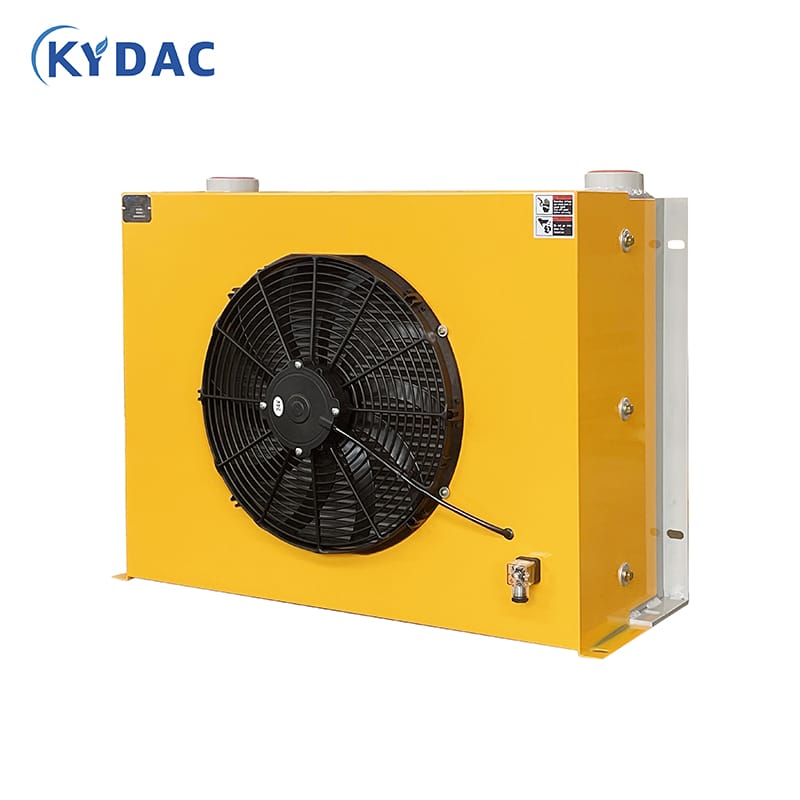
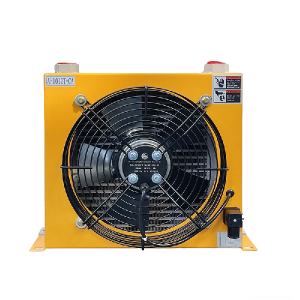
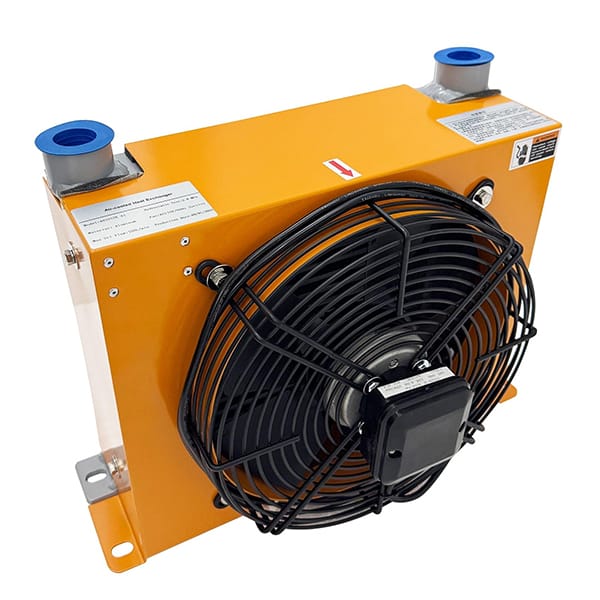
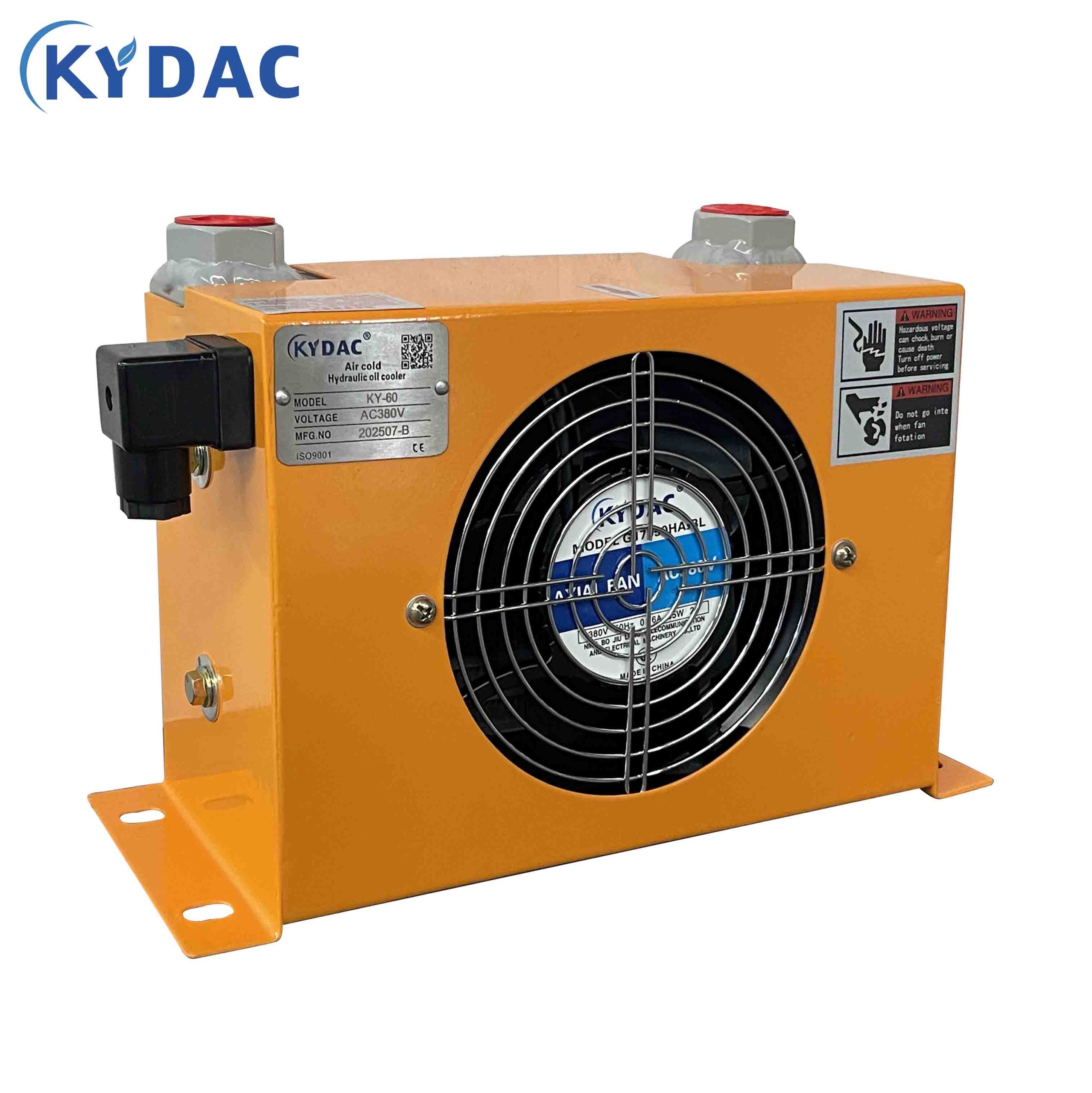
A hydraulic air oil cooler is a heat exchanger that removes heat from hydraulic oil by transferring it to ambient air.
The system typically includes:
As hot hydraulic oil flows through the cooler, the fan forces air across the cooling fins, rapidly dissipating heat and lowering oil temperature.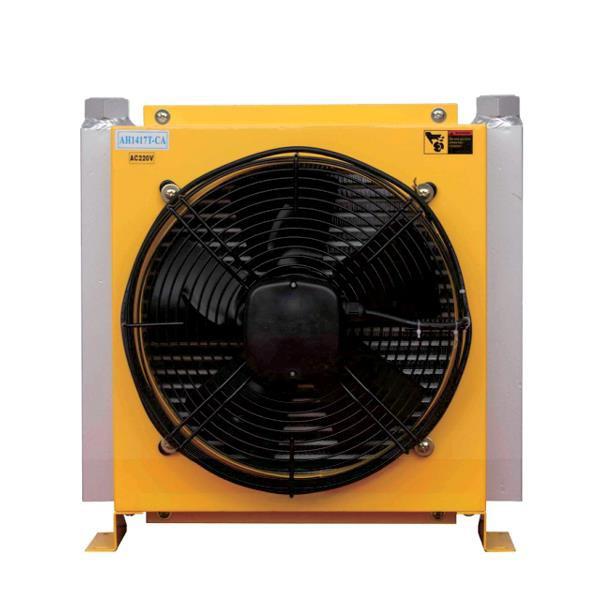
Hydraulic oil performs several critical functions:
When oil temperature becomes too high, several problems can occur:
| Excessive Temperature Effects | Impact on System |
|---|---|
| Reduced oil viscosity | Poor lubrication |
| Seal degradation | Increased leakage |
| Oil oxidation | Shortened oil life |
| Pump wear | Reduced efficiency |
| Valve sticking | Unstable operation |
Maintaining proper oil temperature is essential for maximizing hydraulic system performance.
Modern air oil coolers feature:
These features enable fast heat removal even in demanding operating conditions.
Unlike water-cooled systems, air oil coolers operate independently of external water sources.
Advantages include:
This makes air coolers particularly suitable for:
One major concern with water-cooled systems is the possibility of internal leakage.
If water enters the hydraulic circuit, it may cause:
Because air oil coolers use ambient air as the cooling medium, there is no risk of oil-water mixing.
Hydraulic air coolers are designed with compact structures that allow:
This is especially valuable in modern compact hydraulic equipment.

Selecting the correct air oil cooler requires evaluating several factors:
The cooler must be capable of dissipating the heat generated by the hydraulic system.
The cooler should match the system’s hydraulic oil circulation requirements.
Ensure the cooler is designed to handle the system’s maximum pressure.
Higher ambient temperatures may require larger cooling capacity.
Choose a cooler that fits available equipment space while maintaining adequate airflow.

| Feature | Air Oil Cooler | Water Oil Cooler |
|---|---|---|
| Cooling Medium | Air | Water |
| Installation Complexity | Low | Higher |
| Maintenance Requirements | Low | Moderate |
| Water Supply Needed | No | Yes |
| Contamination Risk | None | Possible |
| Mobile Equipment Suitability | Excellent | Limited |
For mobile and outdoor applications, air oil coolers are often the preferred choice.
A properly designed cooling system helps:
In many industrial applications, effective cooling directly translates into lower total operating costs.

Hydraulic air oil coolers are a critical component in modern hydraulic systems. By maintaining stable oil temperatures, they help improve efficiency, protect key hydraulic components, and reduce the risk of costly downtime.
For industries that demand reliable performance under challenging conditions, air oil coolers provide a practical, energy-efficient, and low-maintenance cooling solution.
Whether for construction machinery, industrial equipment, agricultural vehicles, or hydraulic power units, investing in a high-quality hydraulic air oil cooler is an effective way to maximize equipment performance and extend system life.