28/ August
Hydraulic Air Cooler: Efficient Cooling Solutions for Hydraulic Systems
High-Efficiency Hydraulic Air Coolers for Reliable Oil Temperature Control
Heat management is essential for the reliable operation of hydraulic systems. During continuous operation, hydraulic pumps, motors, valves, and other components generate heat. If this heat is not effectively removed, hydraulic oil temperature can rise and affect system performance.
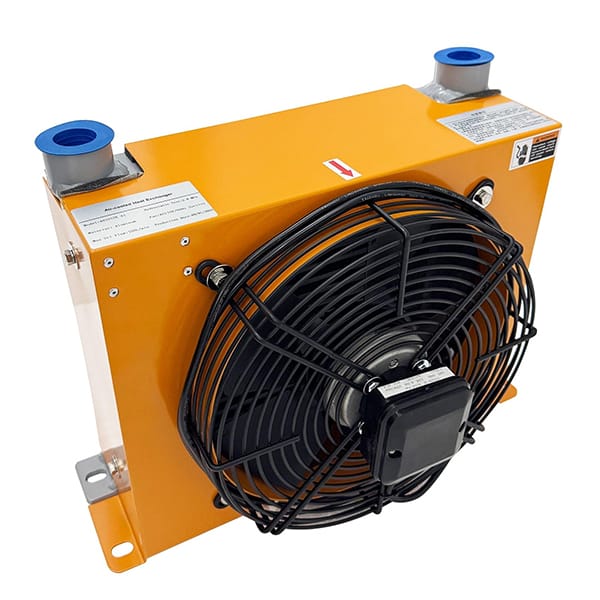
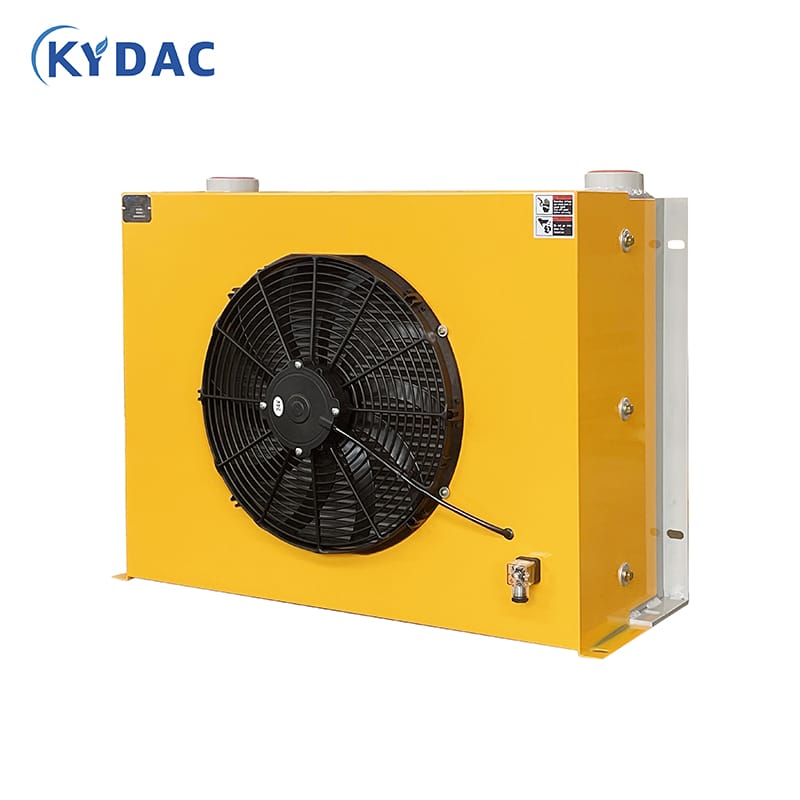
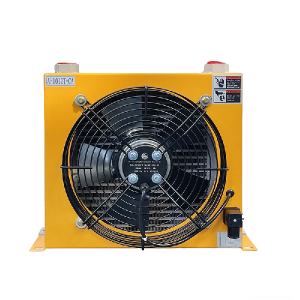
A hydraulic air cooler provides an efficient solution by transferring heat from hydraulic oil to ambient air. With a compact structure, high-performance heat dissipation, and flexible installation, air-cooled hydraulic oil coolers are widely used in construction machinery, mobile equipment, industrial hydraulic systems, and other demanding applications.
Our air cooler range includes Independent Circulation Series, Motor Series, oil cooler assemblies for concrete mixers, explosion-proof products, and aluminum alloy air cooler series, providing different configurations for different hydraulic cooling requirements.
What Is a Hydraulic Air Cooler?
A hydraulic air cooler is a heat exchanger that uses air as the cooling medium to remove heat from hydraulic oil.
The basic cooling process is straightforward:
Hot Hydraulic Oil → Heat Exchanger → Heat Transfer → Forced Airflow → Cooled Hydraulic Oil
A fan drives air through the heat dissipation structure, allowing heat from the hydraulic oil to transfer into the surrounding air.
The air cooler product range on our website emphasizes high-performance heat sinks, compact construction, and efficient heat dissipation. The aluminum alloy series uses heat dissipation fins to increase the heat transfer area and accelerate heat transfer.
Why Choose an Air-Cooled Hydraulic Oil Cooler?
For many hydraulic applications, an air-cooled design provides an efficient and practical approach to temperature management.
1. Efficient Heat Dissipation
A properly designed heat sink and fin structure provides a large heat exchange surface.
The KY700 and AH2590T series described on our product page use an aluminum alloy structure with heat dissipation fins designed to increase the heat dissipation area and improve heat transfer efficiency.
This makes the air cooler suitable for hydraulic systems where effective heat removal is required during demanding operation.
2. Compact Design
Installation space is often limited in construction machinery and mobile hydraulic equipment.
Our air cooler product range includes compact designs intended to occupy relatively little installation space while providing effective heat dissipation. The Independent Circulation Series is specifically described as having a compact design suitable for most equipment.
3. Lightweight Aluminum Alloy Construction
Aluminum alloy is used in selected air cooler series to achieve a combination of lightweight construction and efficient thermal exchange.
The product information describes the aluminum alloy cooler as lightweight, shock-resistant, and capable of high thermal exchange efficiency.
This construction can be particularly useful for mobile machinery where equipment weight and available installation space are important considerations.
4. Fan-Assisted Cooling
The fan is a key component of an air-cooled hydraulic oil cooler.
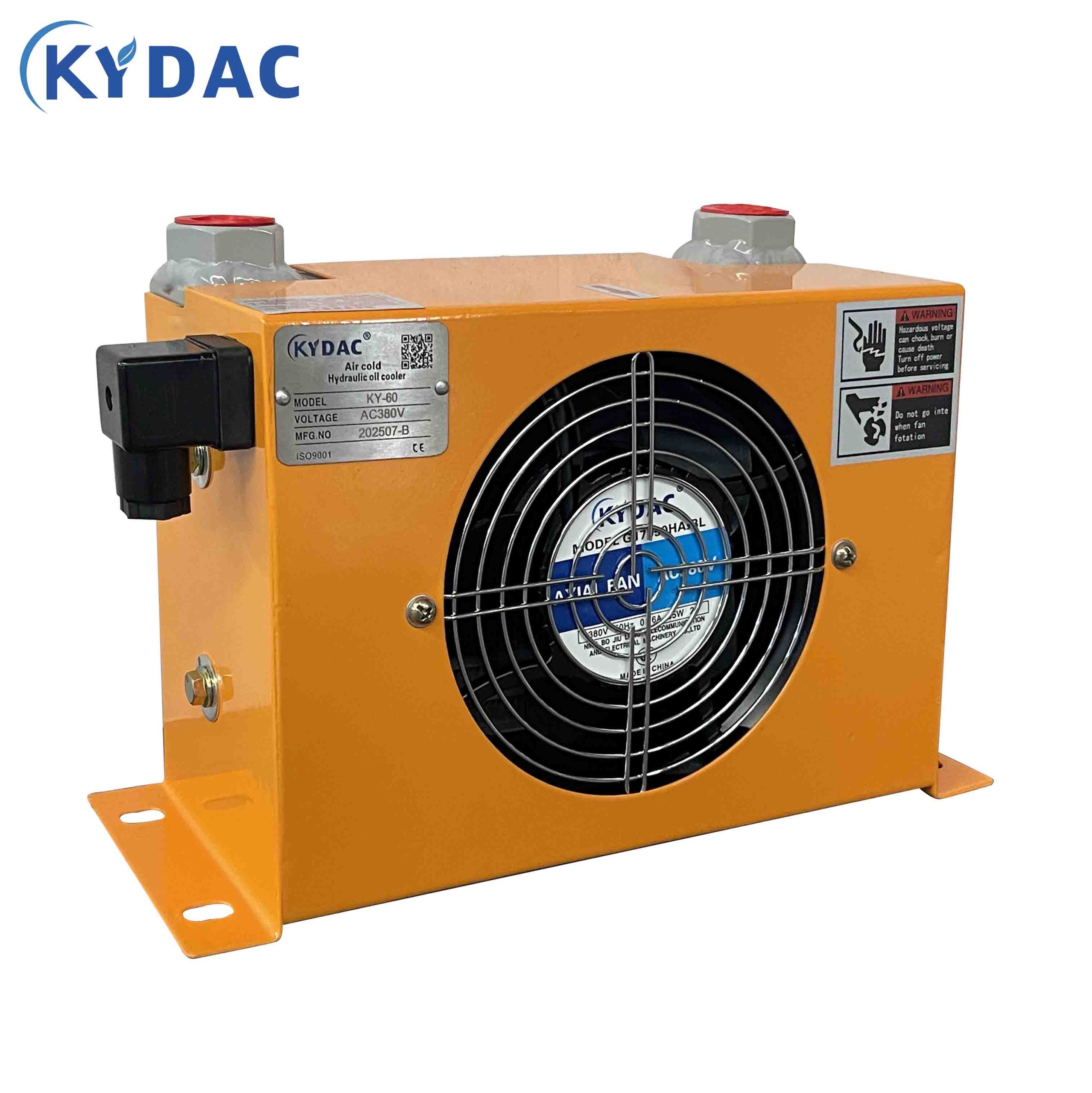
According to the product information, the core structure of the aluminum alloy air cooler includes the fan blades, wind cover, heat sink, motor fixing seat, and mesh cover. Different models are equipped with motors with different power, current, and protection levels according to their oil flow and heat dissipation requirements.
This configuration allows the cooler to provide forced airflow across the heat exchange surface.
Hydraulic Air Cooler Product Series
Our hydraulic air cooler range covers several application-oriented configurations.
Independent Circulation Series
The Independent Circulation Series is designed with a high-performance heat sink and hydraulic motor. Its compact structure is intended for applications in complex engineering machinery where long-term operation and efficient heat dissipation are required.
Key characteristics:
Independent circulation design
High-performance heat sink
Hydraulic motor drive
Compact structure
Suitable for engineering machinery
Motor Series
The Motor Series is specially designed for construction machinery.
It combines a high-performance heat sink with a hydraulic motor and is designed for long-term operation in complex engineering machinery applications.
This makes it a suitable option for equipment requiring compact hydraulic cooling and effective heat dissipation.
Oil Cooler Assemblies for Concrete Mixers
The oil cooler assembly for concrete mixers integrates several components into one cooling assembly.
According to the product information, the assembly integrates:
Cooler
Oil tank
Fan
Air guide cover
Protective net
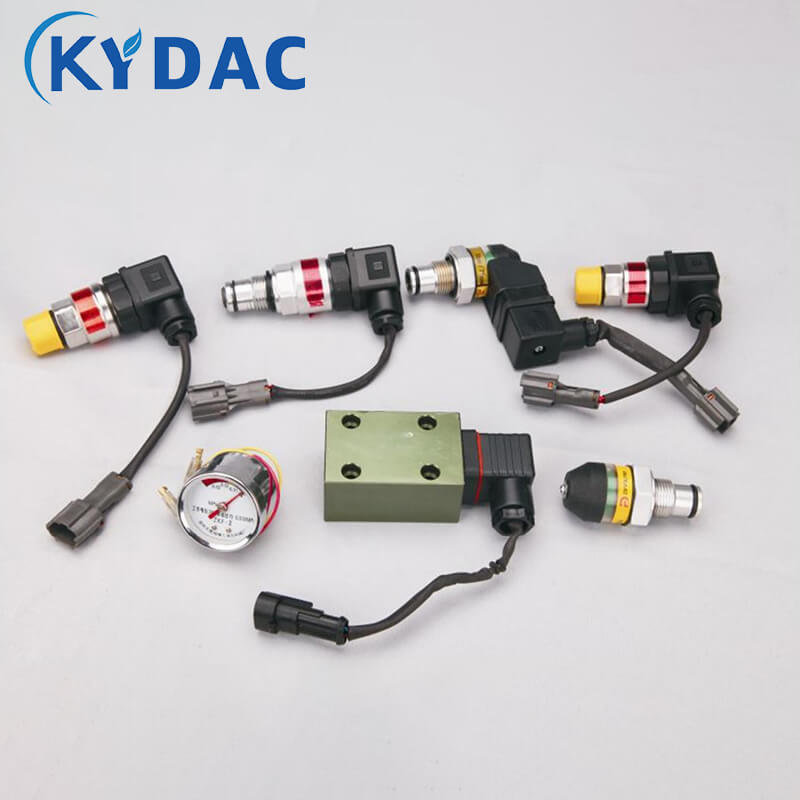
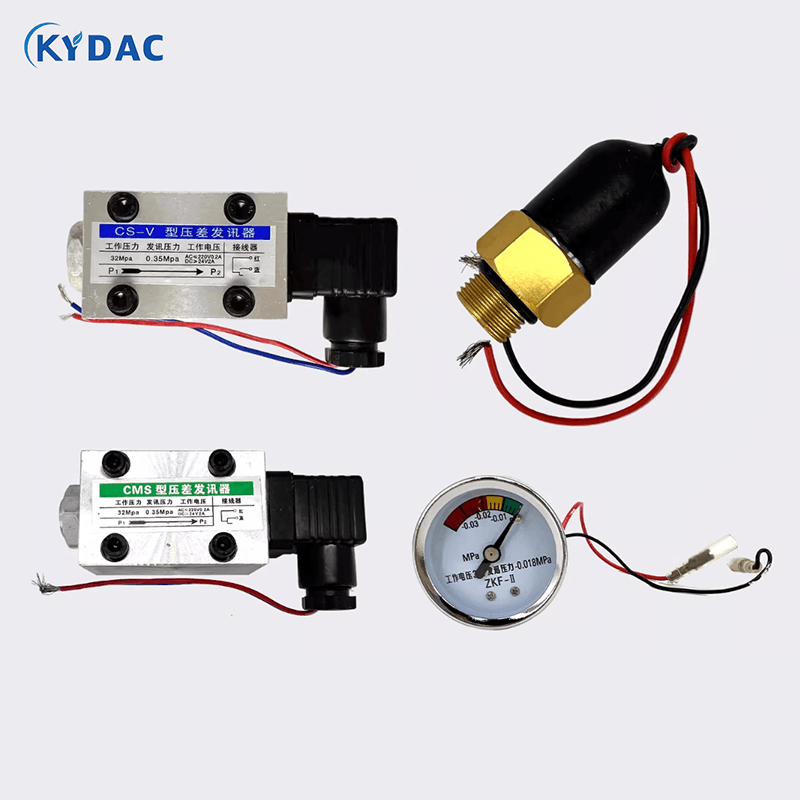
Temperature switch
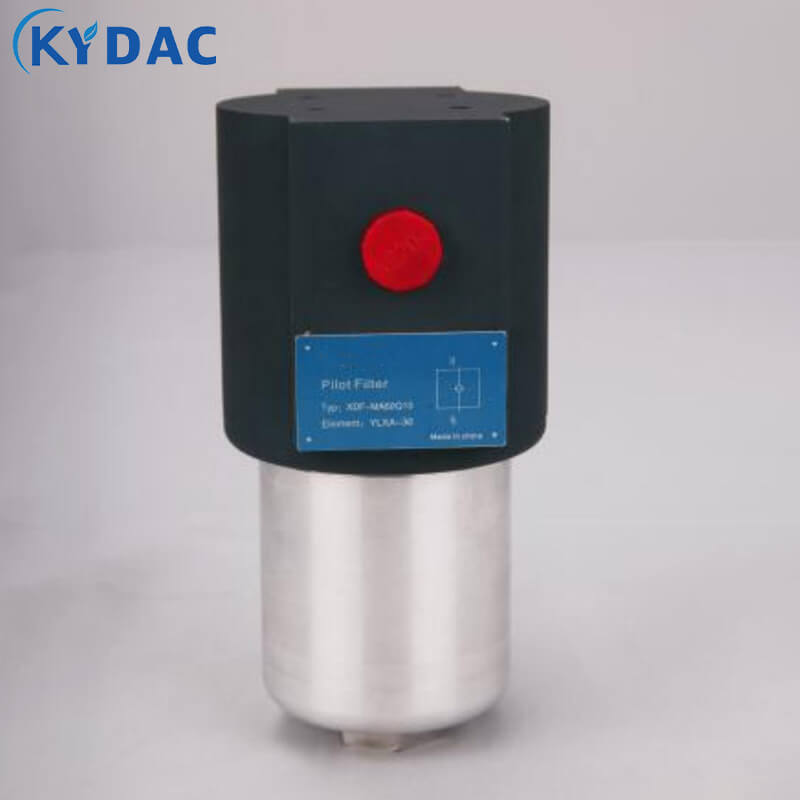
Filter
The oil tank and radiator are integrated, while the filter is connected to the oil tank through a flange.
This integrated configuration can simplify equipment integration and provide a complete cooling solution for concrete mixer applications.
Explosion-Proof Hydraulic Air Cooler Solutions
Certain industrial environments involve flammable or explosive gases, dust, or vapors and require specialized equipment configurations.
Our product range includes explosion-proof cooling products designed for dangerous environments. The listed applications include:
Reactor circulation oil systems
Coal mining machinery
Tunnel boring machines
Continuous casting machine hydraulic transmission systems
These products are intended to support safe equipment cooling and continuous industrial operation in applications with specific environmental requirements.
Important: Explosion-proof equipment should always be selected according to the actual hazardous-area classification, applicable standards, electrical requirements, and operating conditions of the installation.
Hydraulic Air Cooler Motor Options
The motor is an important part of a fan-cooled hydraulic oil cooler because it determines how the fan generates airflow.
The product range supports several electrical configurations, including:
AC 220 V / 50 Hz
AC 380 V / 50 Hz
DC 12 V
DC 24 V
Different cooler models use motors with different power, current, and protection levels to match their oil flow and heat dissipation requirements.
For equipment selection, the motor voltage, frequency, power, protection requirements, oil flow, and working environment should be confirmed before ordering.
Hydraulic Air Cooler Applications
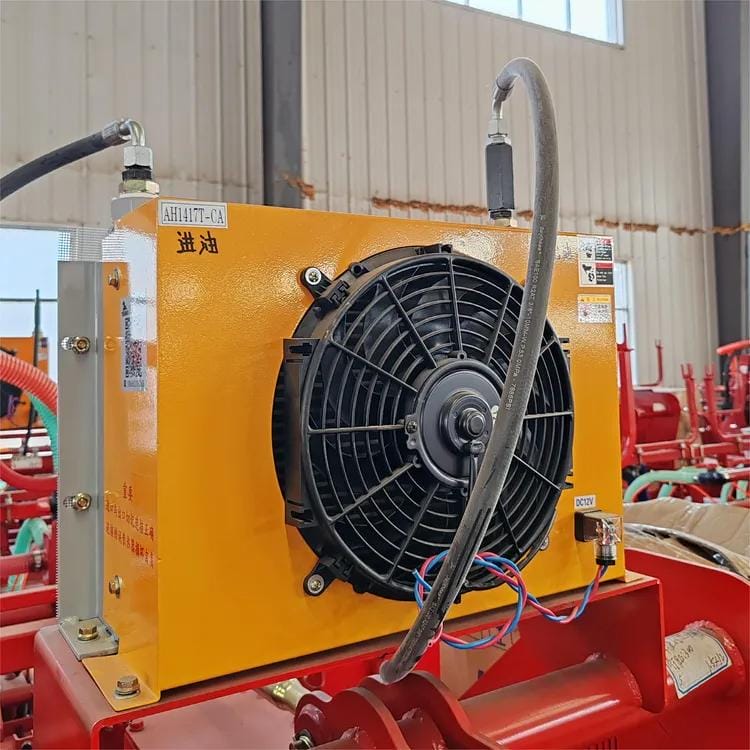
Hydraulic air coolers are used across multiple types of hydraulic equipment.
Construction Machinery
Construction machinery can experience high hydraulic loads and extended working cycles.
Typical applications include:
Excavators
Construction machinery
Concrete mixers
Tunnel boring equipment
Other engineering machinery
The company’s product range specifically identifies construction machinery and concrete mixer applications for several air cooler series.
Industrial Hydraulic Equipment
Air-cooled hydraulic oil coolers can also be used in industrial hydraulic applications where oil temperature needs to be controlled.
Examples include:
Hydraulic transmission systems
Reactor circulation oil systems
Continuous casting equipment
Industrial hydraulic systems
For specialized industrial environments, cooler selection should consider operating conditions and applicable safety requirements.
How to Select the Right Hydraulic Air Cooler
Selecting a hydraulic air cooler requires more than simply choosing the largest model.
Before selecting a product, consider the following parameters:
Hydraulic Oil Flow
The cooler should be compatible with the hydraulic oil flow required by the system.
Heat Dissipation Requirement
The required cooling capacity depends on the amount of heat generated by the hydraulic system and the expected operating conditions.
Motor Configuration
Check whether the equipment requires:
AC 220 V
AC 380 V
DC 12 V
DC 24 V
The correct motor configuration should be confirmed according to the selected model.
Installation Space
Consider:
Cooler dimensions
Mounting location
Oil connections
Air inlet and outlet
Maintenance access
Operating Environment
For construction, mining, outdoor, or other demanding environments, environmental conditions should be considered when selecting the appropriate cooler configuration.
Hydraulic Air Cooler Maintenance
Regular inspection helps maintain the cooling system in good working condition.
Recommended checks include:
Clean the Heat Dissipation Surface
Dust and debris can accumulate on the fins and restrict airflow. Keeping the heat exchange surface clean helps maintain airflow and heat transfer.
Inspect the Fan and Motor
Check for abnormal noise, vibration, or other signs of motor or fan problems.
Check Hydraulic Connections
Inspect connections and mounting points for signs of leakage or looseness.
Monitor Hydraulic Oil Temperature
Changes in oil temperature can provide useful information about hydraulic system operation and cooler performance.
For specific products, maintenance procedures should follow the manufacturer’s technical documentation.
Customized Hydraulic Cooler Solutions
Different hydraulic systems have different requirements. A professional supplier should therefore be able to help customers match the cooler to the actual application.
We support application-focused product selection and customized solutions based on customer requirements. The company describes its approach as working with customers to understand the application, environmental challenges, and performance goals before recommending or customizing a solution.
Potential customization and selection considerations include:
Cooling requirements
Product configuration
Motor specifications
Installation requirements
Hydraulic circuit
Operating environment
Why Work With a Professional Hydraulic Cooler Supplier?
A hydraulic cooler is an important component of the overall hydraulic system. Product quality, correct selection, and application compatibility all affect the final equipment performance.
A professional supplier can support customers with:
Product SelectionMatching cooler specifications to the hydraulic application.
Technical SupportProviding application-oriented recommendations.
Manufacturing QualityControlling materials and production quality.
Customized SolutionsDeveloping solutions for specific equipment requirements.
Global Supply SupportSupporting international customers with logistics and delivery coordination.
The company’s website emphasizes factory-direct expertise, quality control, application-focused support, international logistics capabilities, and technical assistance for global customers.
Conclusion
A hydraulic air cooler is an important component for hydraulic oil temperature management. By using forced airflow and an efficient heat exchange structure, it provides a practical cooling solution for construction machinery, mobile equipment, industrial hydraulic systems, and other applications.
Our product range includes Independent Circulation Series, Motor Series, concrete mixer oil cooler assemblies, explosion-proof products, and aluminum alloy air cooler series, allowing customers to select solutions according to different equipment and operating requirements.
With compact designs, aluminum alloy options, multiple motor configurations, and application-focused technical support, we provide hydraulic cooling solutions for OEMs, distributors, and hydraulic system integrators worldwide.
Looking for the right hydraulic air cooler for your equipment? Provide your hydraulic oil flow, operating conditions, motor voltage, installation requirements, and application information, and our technical team can help identify a suitable solution.
FAQ: Hydraulic Air Cooler
What is a hydraulic air cooler?
A hydraulic air cooler is a heat exchanger that uses forced ambient airflow to remove heat from hydraulic oil.
What industries use hydraulic air coolers?
They are used in construction machinery, concrete mixers, industrial hydraulic equipment, mobile machinery, and specialized applications such as mining and tunnel boring equipment.
What motor voltages are available?
The product information lists AC 220 V/50 Hz, AC 380 V/50 Hz, DC 12 V, and DC 24 V configurations, with different motor specifications available for different cooler models.
Are hydraulic air coolers suitable for concrete mixers?
Yes. The product range includes dedicated oil cooler assemblies for concrete mixers, integrating the cooler, oil tank, fan, air guide cover, protective net, temperature switch, and filter.
Can hydraulic air coolers be customized?
Application-focused selection and customized solutions are available. The specific customization options should be confirmed according to the required cooling performance, hydraulic circuit, installation conditions, and selected product series.
Learn More