Nullam dignissim, ante scelerisque the is euismod fermentum odio sem semper the is erat, a feugiat leo urna eget eros. Duis Aenean a imperdiet risus.
Nullam dignissim, ante scelerisque the is euismod fermentum odio sem semper the is erat, a feugiat leo urna eget eros. Duis Aenean a imperdiet risus.
 author
In modern hydraulic systems, excessive heat is one of the leading causes of equipment failure, oil degradation, and reduced operational efficiency. Whether in construction machinery, agricultural equipment, mining vehicles, or industrial hydraulic stations, maintaining proper oil temperature is critical for system reliability.
This is why more industries are turning to hydraulic air oil coolers as an efficient and reliable cooling solution.
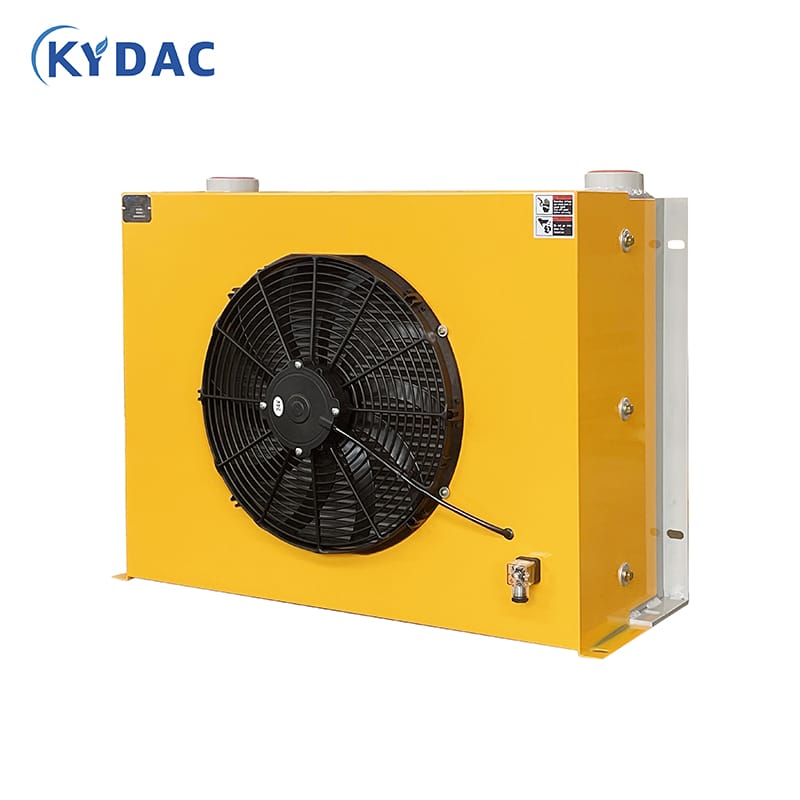
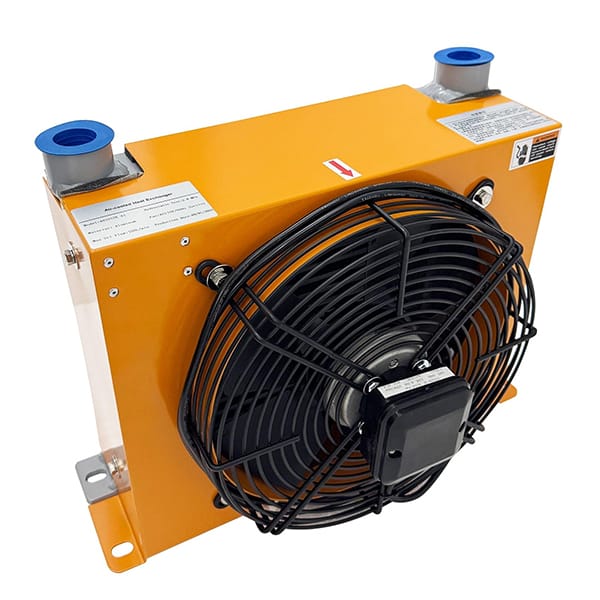
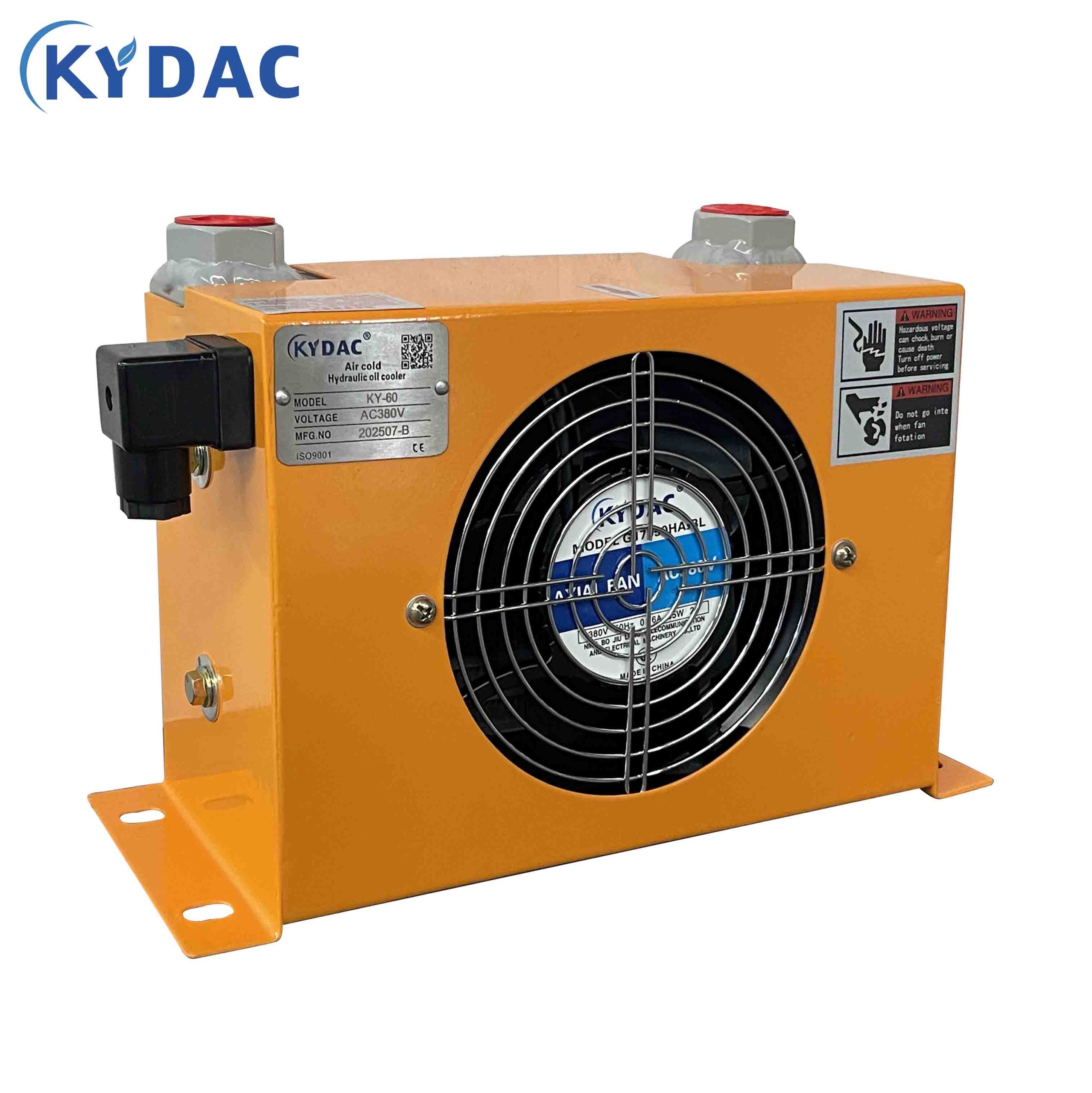
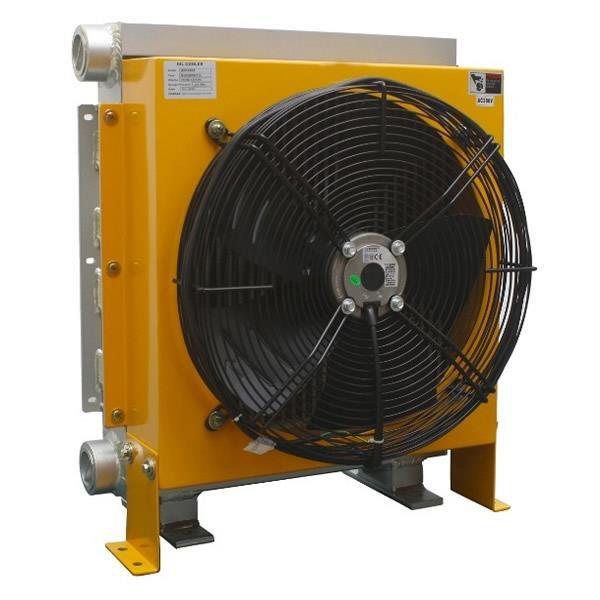
A hydraulic air oil cooler is a heat exchange device designed to remove excess heat from hydraulic oil by using ambient air and a fan-driven cooling system.
Unlike water-cooled systems, air oil coolers do not require an external water source, making them ideal for:
The system typically consists of:
Its primary function is to keep hydraulic oil within the optimal operating temperature range.
Hydraulic systems generate heat continuously during operation due to:
If the oil temperature becomes too high, it can lead to:
| Problem | Impact |
|---|---|
| Oil viscosity reduction | Poor lubrication |
| Seal aging | Oil leakage |
| Component wear | Shorter equipment life |
| Oxidation of hydraulic oil | Increased maintenance cost |
| System instability | Reduced productivity |
Studies in hydraulic engineering show that excessive oil temperature significantly shortens hydraulic component lifespan.
One of the biggest advantages of air-cooled hydraulic systems is operational flexibility.
Unlike water coolers, air oil coolers:
This makes them highly suitable for mobile equipment and outdoor environments.
In water cooling systems, cooler failure may cause water and oil to mix, potentially damaging the entire hydraulic system.
Air oil coolers eliminate this risk completely because:
This is particularly important in high-value industrial equipment.
Modern hydraulic air coolers feature:
These features allow the cooler to maintain stable oil temperatures even under demanding operating conditions.
Hydraulic air coolers are widely used in:
Because they are designed for:

Hydraulic air oil coolers are commonly used in:

Selecting the correct cooler depends on several factors:
| Parameter | Description |
|---|---|
| Heat dissipation capacity | Required cooling performance |
| Oil flow rate | System circulation volume |
| Working pressure | Hydraulic system pressure |
| Ambient temperature | Environmental conditions |
| Installation space | Equipment layout limitations |
A properly sized cooler improves:
| Feature | Air Oil Cooler | Water Cooler |
|---|---|---|
| Water source required | No | Yes |
| Maintenance | Low | Medium |
| Installation complexity | Simple | Complex |
| Risk of oil-water mixing | None | Possible |
| Mobile equipment suitability | Excellent | Limited |
For mobile hydraulic systems and outdoor machinery, air cooling is often the preferred solution.
A high-performance hydraulic cooling system helps companies:
In modern industrial applications, cooling is no longer optional — it is a critical part of hydraulic system protection.
Hydraulic air oil coolers play a vital role in maintaining system performance, reliability, and longevity across industrial and mobile hydraulic applications.
With advantages such as:
air-cooled hydraulic systems continue to be a preferred solution for modern hydraulic equipment.
For industries seeking reliable thermal management and long-term hydraulic system protection, hydraulic air oil coolers provide an efficient and cost-effective solution.